
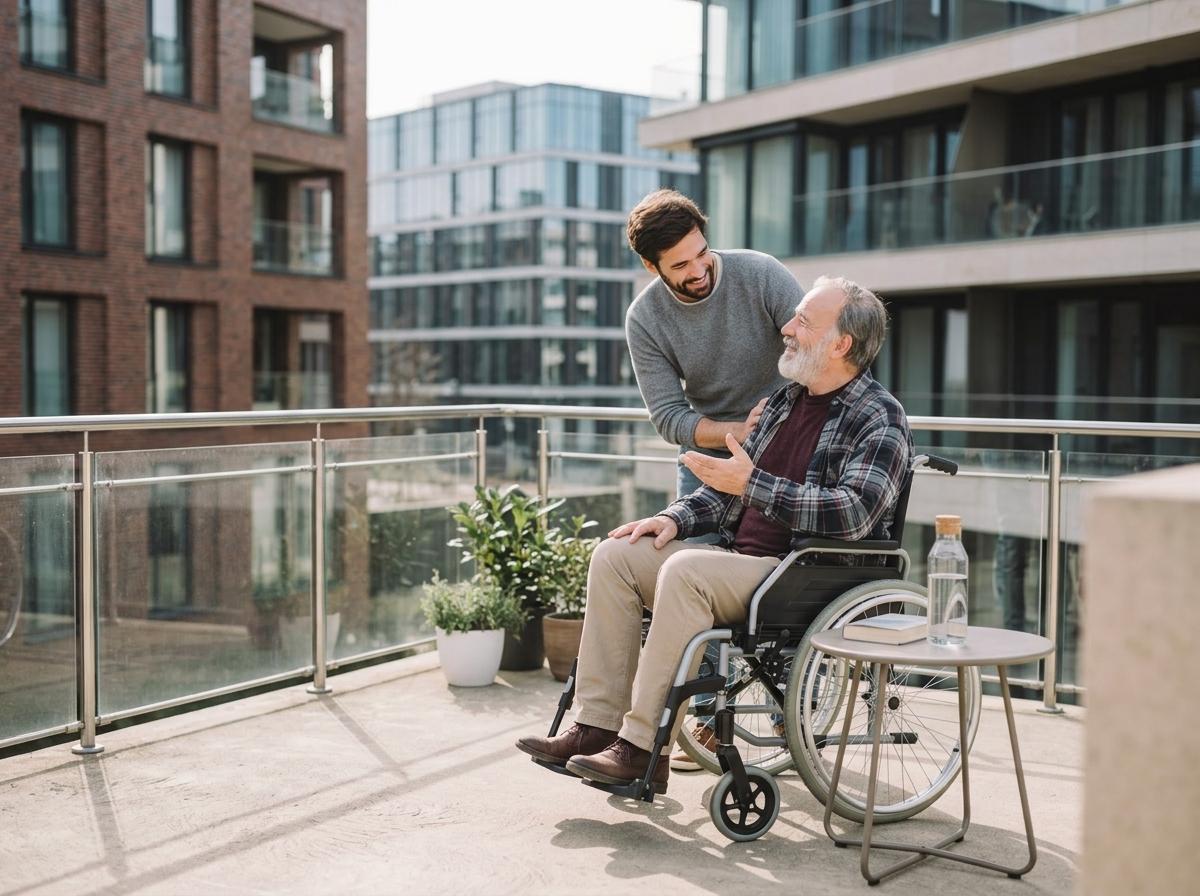
Stroke strikes fast, and every second counts. Missing the signs at home or work can mean losing precious brain function. Knowing stroke warning signs with B.E. F.A.S.T. helps you act quickly—call 911 immediately and support those in need. This guide arms you with clear steps and local resources to protect your loved ones and community across Oregon. Learn more about the importance of recognizing these signs here.
Recognize Stroke Warning Signs
When it comes to stroke, quick recognition is vital. Understanding how to spot stroke warning signs can save lives and preserve brain function.
Understanding B.E. F.A.S.T.
B.E. F.A.S.T. is a simple method to remember the signs of a stroke. B stands for balance loss; if someone suddenly finds it hard to walk or feels dizzy, it could signal a stroke. E represents eyesight changes. Suddenly losing vision in one or both eyes or having double vision are red flags. Moving to F, watch for face drooping. Ask the person to smile. If one side of the face droops, it’s time to act. A refers to arm weakness. If raising both arms is difficult and one drifts down, it’s a warning sign. S is for speech difficulty. Slurred or strange speech is a clear signal something is wrong. T is for time. If you see any of these signs, it’s time to call 911 immediately. Knowing B.E. F.A.S.T. means you can respond swiftly.
Common Stroke Symptoms
Recognizing stroke symptoms can be challenging due to their variety. Classic symptoms include sudden numbness or weakness, especially on one side of the body, and confusion. If someone suddenly struggles to understand or speak, it could indicate a stroke. Other signs include trouble seeing, severe headaches without a known cause, and difficulty walking. These symptoms may differ slightly between men and women. Women might experience additional signs like general weakness and disorientation. Understanding these symptoms allows you to identify them quickly, potentially saving a life.
When to Call 911
Time is crucial in stroke situations. If you suspect someone is having a stroke, don’t hesitate. A delay can lead to more significant brain damage. Immediate medical attention is necessary. Emergency responders can provide essential care on the spot, increasing the chances of recovery. Remember, even if symptoms seem to fade, it’s critical to call 911. Quick action can make a significant difference in outcomes.
Real-Life Stroke Scenarios

Responding to a stroke situation effectively requires knowing what to do in different settings.
Stroke at Home: What to Do
If a stroke occurs at home, every second is precious. First, try to stay calm. Begin by asking the person to perform simple tasks like smiling or raising both arms. Use the B.E. F.A.S.T. method to assess their condition. If stroke signs are present, call 911 right away. Keep the person comfortable and do not offer food or drink. These actions can prevent further complications. Your prompt response is key to mitigating the stroke’s impact.
Stroke at Work: Quick Actions
In the workplace, recognizing a stroke and acting fast can make all the difference. Immediately apply the B.E. F.A.S.T. method to assess the situation. Ensure someone calls 911 without delay. Clear the area around the person, providing space for emergency responders. If possible, note the time symptoms began and share this information with medical professionals. Quick thinking and action can protect your colleague’s health and future.
Mini Stroke TIA: Immediate Steps
A mini stroke, or Transient Ischemic Attack (TIA), involves stroke-like symptoms that resolve within minutes or hours. Although they are temporary, they serve as a warning. Treat a TIA seriously and as a medical emergency. Call 911 immediately, as they increase the risk of a full stroke. Even if symptoms fade, medical evaluation is crucial. Remember, time lost is brain lost.
Community Involvement Opportunities

Engaging with your community helps promote stroke awareness and support recovery efforts.
Oregon Stroke Education Resources
Oregon offers numerous resources to increase stroke awareness. Programs focus on educating the public about prevention and recognition. Participating in these programs can empower you with critical information and skills. Resources often involve workshops and seminars led by experts. These opportunities help ensure that you and your community are prepared for emergencies.
Joining Stroke Support Groups
Support groups provide invaluable assistance to stroke survivors and their families. They offer a space to share experiences and solutions, fostering a sense of community. Members find comfort and hope in shared stories, knowing they are not alone. Many groups also organize activities and events, contributing to emotional and physical recovery. Participating in these groups strengthens the support network for everyone involved.
Volunteer and Donation Initiatives
Volunteering and donating are impactful ways to contribute to stroke awareness and support. Many organizations in Oregon rely on volunteers to drive educational campaigns and support services. Donations, whether financial or through time, help fund critical programs. By volunteering or donating, you make a tangible difference, fostering a healthier, more informed community. Your actions can lead to life-saving changes.
Frequently Asked Questions
What are the first signs of a stroke?
The first signs of a stroke include sudden numbness or weakness, especially on one side of the body, confusion, trouble speaking or understanding speech, vision problems, dizziness, and severe headaches.
How does B.E. F.A.S.T. help in stroke situations?
B.E. F.A.S.T. helps by providing a simple acronym to remember key stroke signs, enabling quicker recognition and response. This method emphasizes the importance of fast action, which is crucial in minimizing brain damage.
Why is it important to call 911 immediately for a stroke?
Calling 911 immediately is vital because it ensures rapid medical intervention. Emergency responders are equipped to provide essential care, improving the chances of recovery and reducing the risk of long-term damage.
What should I do if I suspect someone is having a mini stroke (TIA)?
If you suspect someone is having a mini stroke, call 911 immediately, even if symptoms resolve. A TIA is a warning sign for a potential full stroke, and prompt medical evaluation is necessary.
How can I get involved in stroke awareness in Oregon?
You can get involved by participating in educational programs, joining support groups, or volunteering with organizations like Stroke Awareness Oregon. Donations also help fund vital awareness and support initiatives.