
Stories of Thriving After Stroke
A curated collection of survivor memoirs, emotional recovery resources, practical rehabilitation guides,
accessible brain science, and books for caregivers and families.
How these books were selected: This list prioritizes widely recognized books that educate, encourage, or support people affected by stroke. Some books are practical guides; others reflect one person’s experience and should not be interpreted as individualized medical advice.
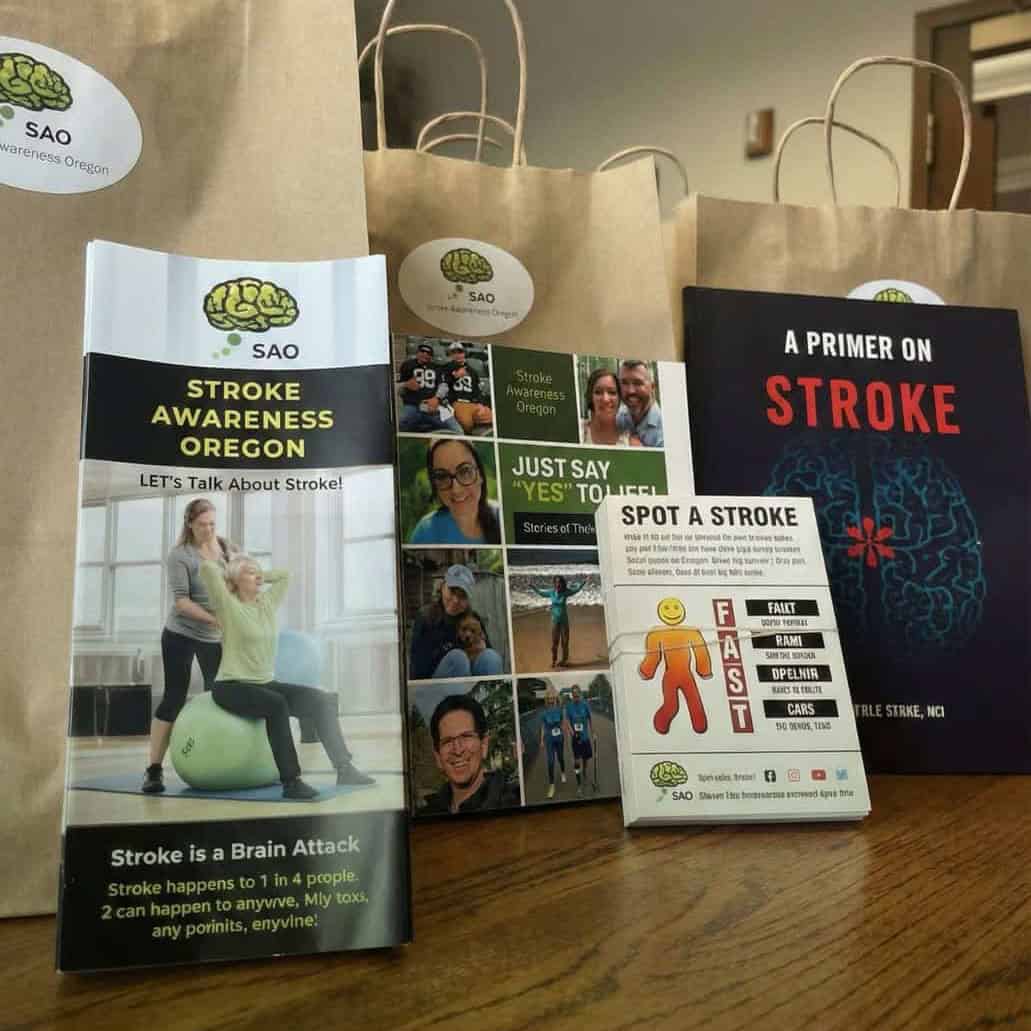
A collection of 26 first-person stories showing how stroke survivors adapted, found effective therapies, rebuilt meaningful lives, and continued to pursue purpose after stroke.
Best for: Survivors and families seeking hope, connection, and a wide range of real recovery experiences.
A neuroanatomist recounts her own hemorrhagic stroke and recovery, combining an unforgettable personal narrative with observations about the brain and the experience of losing—and rebuilding—function.
Best for: Survivors, families, clinicians, and readers interested in both lived experience and brain function.
By Jean-Dominique Bauby
After a brainstem stroke left him with locked-in syndrome, Bauby dictated this celebrated memoir one letter at a time using movements of his eyelid. It is a profound account of consciousness, communication, disability, and imagination.
Best for: Readers seeking a classic literary memoir about personhood and life after catastrophic stroke.
By Debra E. Meyerson, PhD, with Danny Zuckerman
Meyerson explores how stroke can alter identity, work, relationships, communication, independence, and belonging. Her story is interwoven with experiences from other survivors and care partners.
Best for: Survivors rebuilding identity, purpose, confidence, and a sense of self.
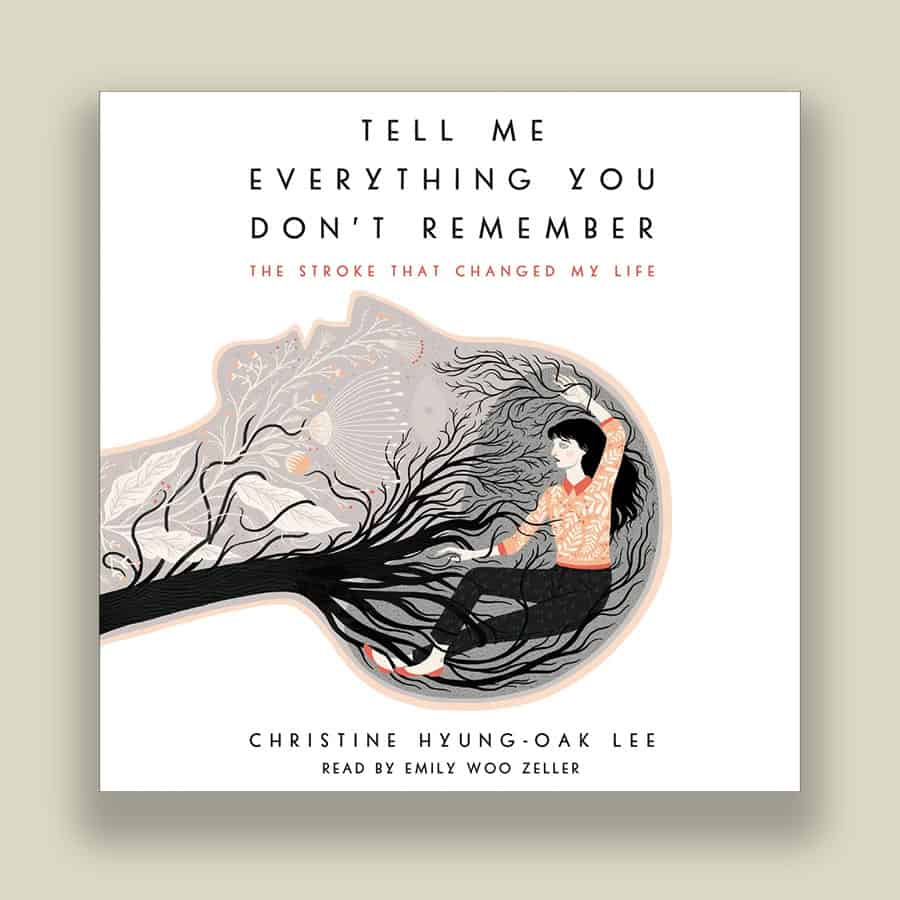
By Christine Hyung-Oak Lee
A candid memoir of having a stroke at age 33 and navigating memory loss, confusion, invisible disability, relationships, and the gradual reconstruction of a personal narrative.
Best for: Younger survivors and people coping with cognitive, emotional, or less-visible effects of stroke.
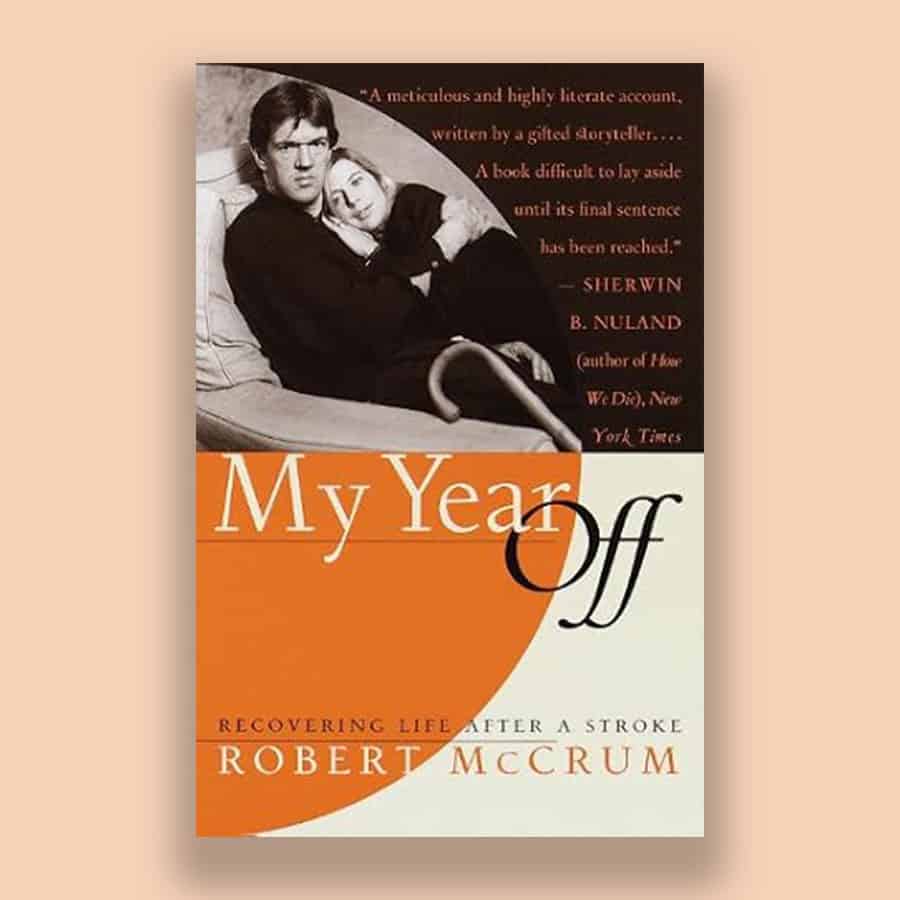
By Robert McCrum
McCrum describes the long emotional and physical adjustment after a severe stroke at age 42, including dependence, uncertainty, marriage, work, hope, grief, and the limits of recovery.
Best for: Readers interested in the long-term process of accepting change while continuing to recover.
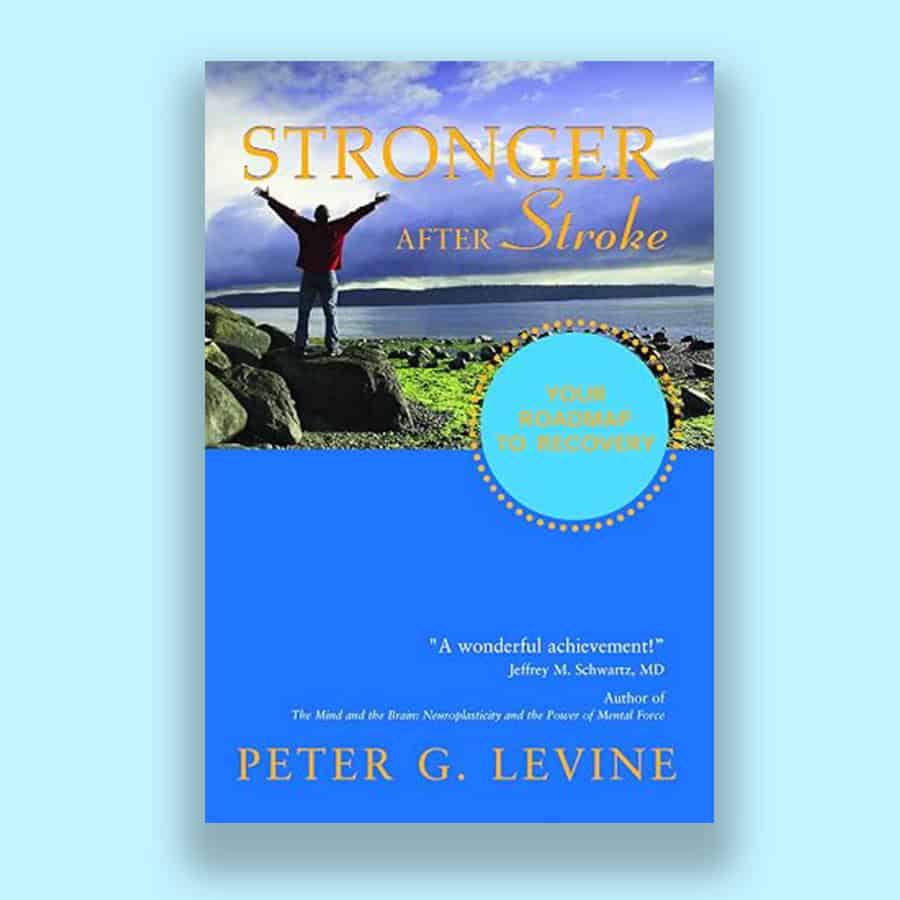
By Peter G. Levine
A widely recognized, action-oriented guide explaining how repetitive, challenging practice and progressive rehabilitation can support continued recovery. It encourages survivors to take an informed and active role in rehabilitation.
Best for: Survivors who want practical strategies and a structured recovery mindset.
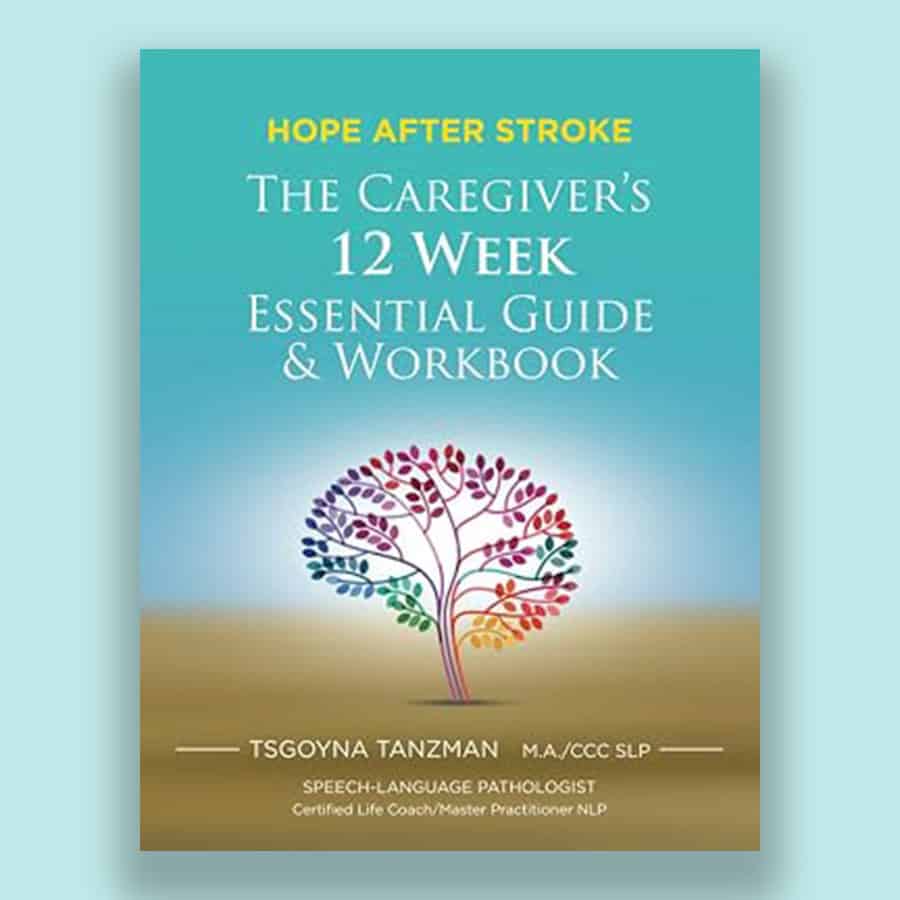
By Tsgoyna Tanzman, CCC-SLP
A broad, approachable guide covering communication, swallowing, cognition, mobility, nutrition, advocacy, emotional health, and caregiver support across the recovery journey.
Best for: Survivors and caregivers seeking a whole-person overview of recovery.
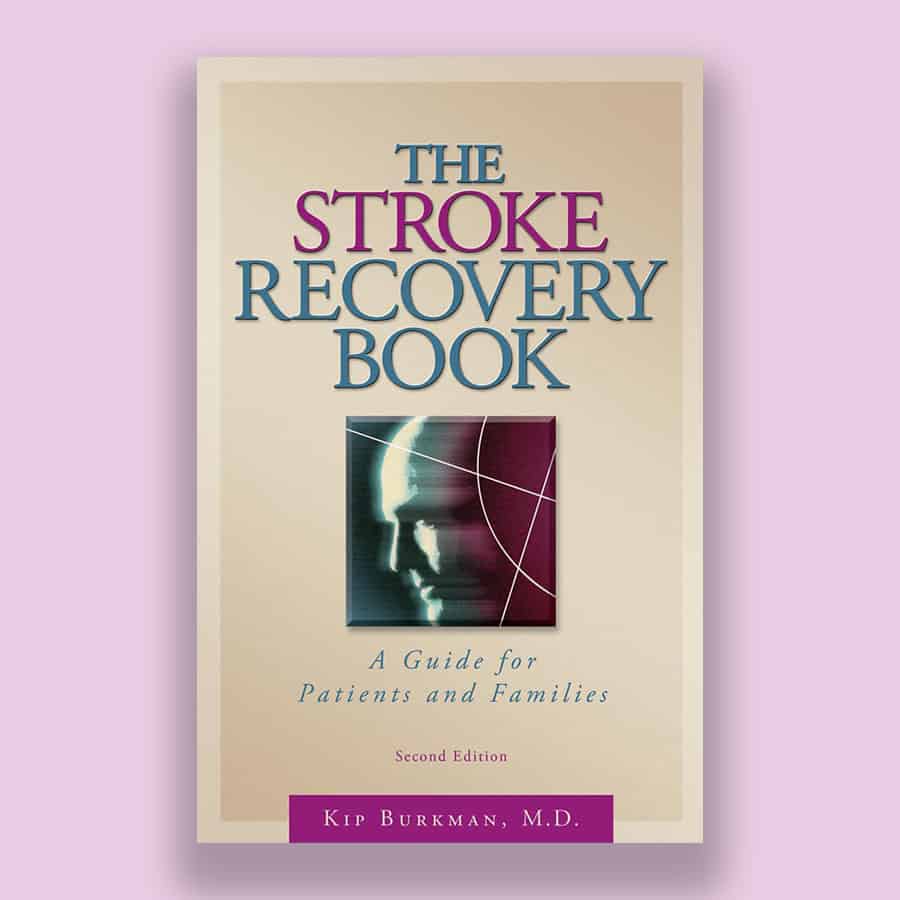
By Kip Burkman, MD
A practical guide to the medical, functional, and day-to-day realities of stroke recovery, written to help patients and families better understand rehabilitation, common complications, and the road ahead.
Best for: Families looking for a straightforward reference during rehabilitation and the transition home.
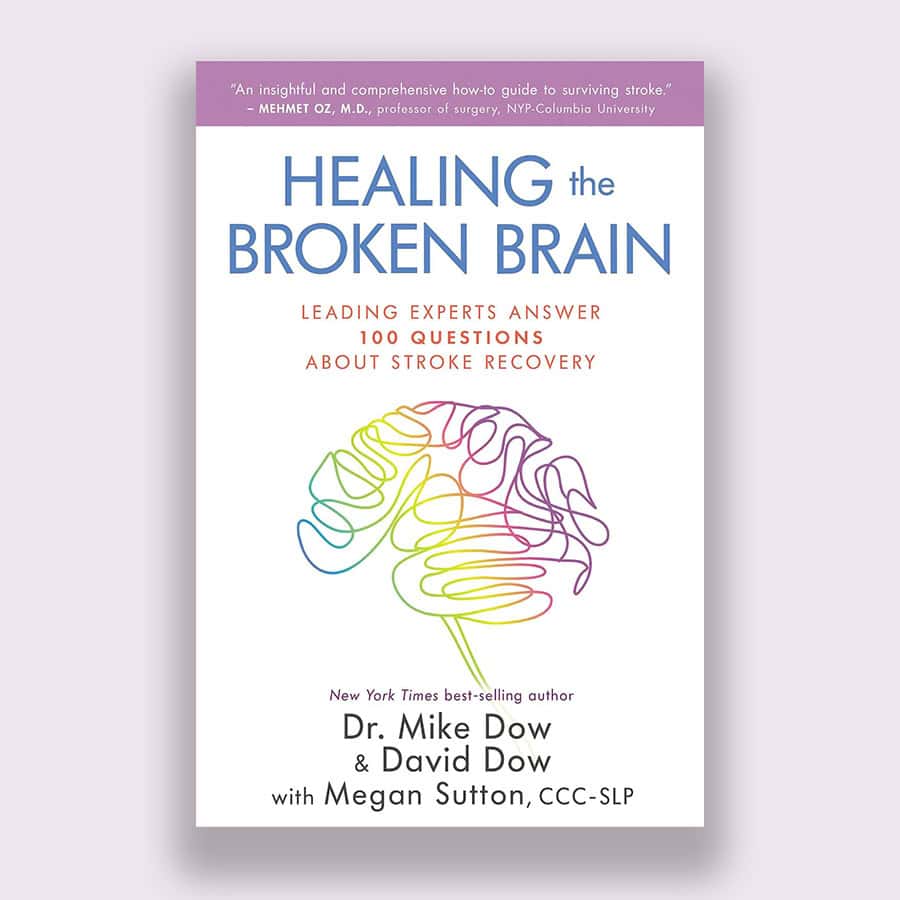
By Mike Dow, PsyD; David Dow; and Megan Sutton, CCC-SLP
An accessible question-and-answer guide addressing common concerns about stroke, hospitalization, rehabilitation, cognition, communication, relationships, nutrition, and returning to everyday life.
Best for: Newly diagnosed survivors and families who need clear answers to common questions.
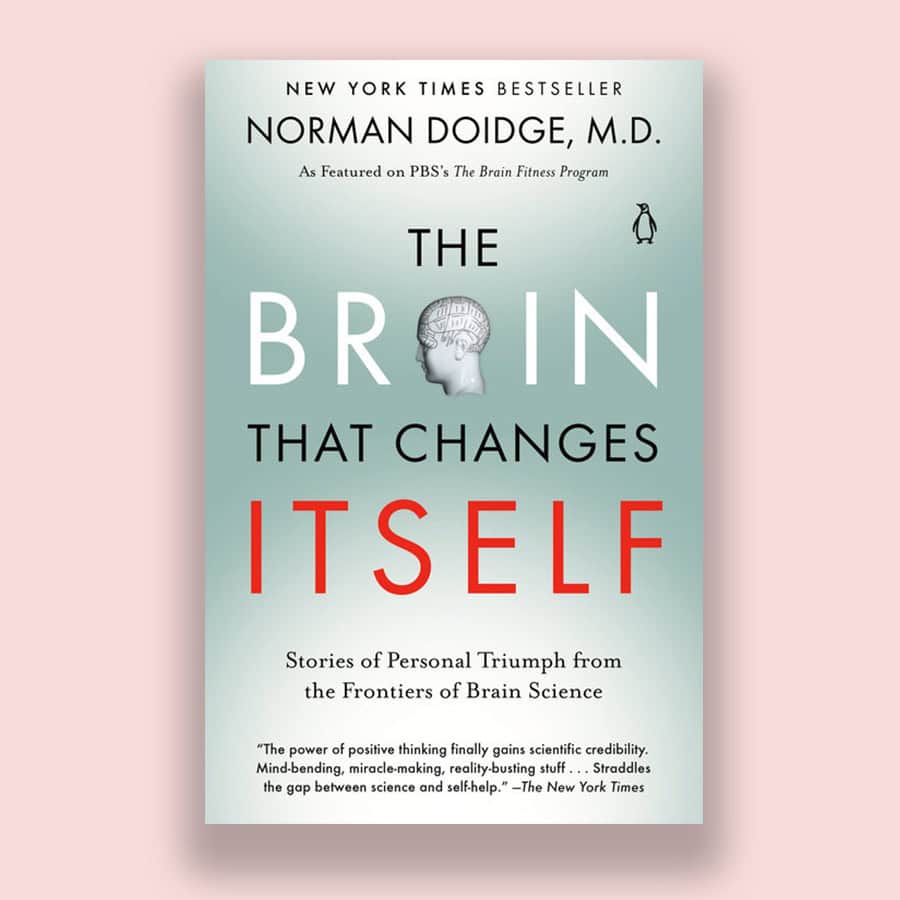
By Norman Doidge, MD
One of the best-known popular books about neuroplasticity. Through case stories, Doidge explains how the brain can reorganize in response to learning, practice, altered sensory input, and neurological injury.
Best for: Readers who want an engaging introduction to neuroplasticity and why practice matters.
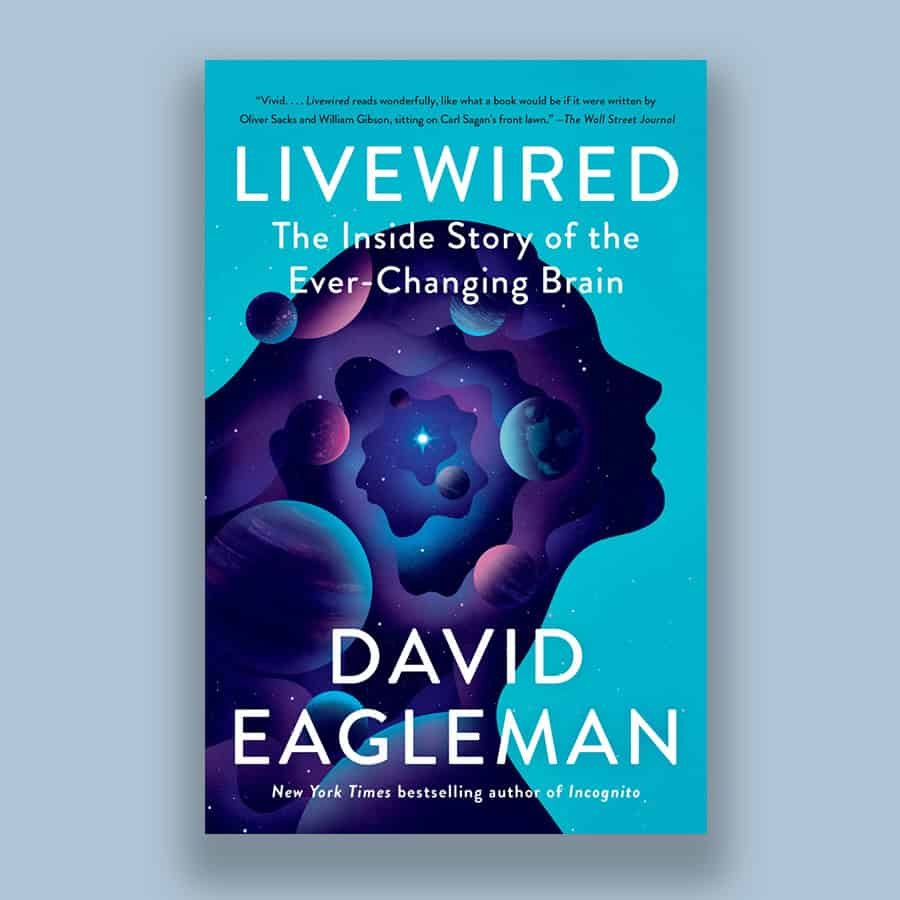
By David Eagleman, PhD
A highly readable exploration of how the brain continually adapts to the body, environment, sensory input, and experience. It provides useful context for understanding plasticity without functioning as a stroke treatment manual.
Best for: Readers interested in modern, accessible neuroscience and the adaptable brain.
By Lucille Jorgensen
A practical resource addressing daily care, communication, home safety, care coordination, emotional strain, and the importance of protecting the caregiver’s own health and well-being.
Best for: Family members newly stepping into a stroke caregiver role.

By Diane Ackerman
Ackerman recounts caring for her husband, author Paul West, after a stroke caused severe aphasia. The memoir examines communication, intimacy, creativity, marriage, and the shared work of recovery.
Best for: Spouses, partners, and families navigating aphasia and changes in a close relationship.
By Madonna Siles
A caregiver’s account of advocating for and supporting a close friend after severe brain injury. It emphasizes participation, persistence, environment, and the emotional realities of helping someone recover.
Best for: Caregivers looking for encouragement, advocacy ideas, and a personal caregiving perspective.
Join our MVP Partners and make a lasting impact—connect with us today to support stroke survivors!
Fill out this form to get connected or to offer your support!
by Jake Sheaffer
“I once threw a canister of my supplement powder at the wall and dented it. That’s something I can’t imagine ever doing before my stroke, but it’s just another part of my recovery to work on.”
______________________________
On an early October weekend in 2019, Alesha Goodman and her longtime boyfriend Drew hiked over 50 miles of rugged desert landscape in the Ochoco National Forest in Central Oregon. They were on a nine-day hunting trip they’d been planning for months. While Drew streaked up the steep slopes of sagebrush and loose rock, Alesha tarried behind breathing heavily, fighting the searing pain radiating from the base of her skull. An active thirty-four-year-old who frequented local gyms, walked her dog daily, and hiked on weekends, Alesha never suspected the severe neck pain and nausea she’d had for the past week and a half were signs of an impending stroke. And not just one stroke, but two. Two potentially fatal strokes that would occur within an hour of each other the day after she returned from the Ochocos.
An only child, Alesha was close to her parents and her grandmother who lived on her parents’ property later in life. As a kid, she delivered newspapers in her Bend, OR neighborhood, and in her spare time, she wrote children’s books for fun and read voraciously, prompting close friends to refer to her as a “living encyclopedia of odd information.”
On the Monday morning after she got home, Alesha sat in traffic at a parkway off -ramp, still in discomfort from the neck pain and the nausea. She had new symptoms, too, dizziness and feeling faint. Regardless of the pain, she readied herself for work, but she had an uneasy feeling about her job.
Over the weekend, Alesha had received multiple text messages from her employer, a jewelry company in Central Oregon, about an issue with her company email and password, but with no cell reception, she couldn’t respond to her manager’s concerns. After searching through Alesha’s desk for her email password and not finding it, but instead finding an important legal document she’d already dealt with but had not yet disclosed to her boss, the company hired a specialist to get around the digital safeguards. That day, Alesha was let go from her position.
Purchase the Book to Learn More About Alesha’s Journey!