

Most stroke talks feel too long or too hard to start. You want to share stroke awareness but don’t have hours or a medical degree. This plug-and-play activity pack gives you everything to host a powerful 10–30 minute conversation anywhere—at home, school, or a community event. Get ready to spread B.E. F.A.S.T. knowledge, share stroke prevention tips, and support recovery with ease. For more on hosting community gatherings, check out this link.
Start Powerful Talks with Ease
Starting a stroke awareness conversation doesn’t have to be daunting. With our Plug-and-Play Activity Pack, you will have everything you need to educate and engage your audience in just 10 to 30 minutes. Let’s dive into the essentials you need to make every second count.
Plug-and-Play Activity Pack Essentials
Imagine having all the tools at your fingertips to kickstart an impactful discussion on stroke awareness. This pack includes everything from detailed guides to ready-to-use materials. It’s designed to simplify the process and ensure you deliver a message that sticks.
You’ll find resources like B.E. F.A.S.T. posters, which highlight the critical signs of a stroke: Balance, Eyes, Face, Arms, Speech, and Time. These visual aids make it easy for your audience to remember what to do in an emergency. The activity pack also contains interactive elements to engage your listeners and make learning fun.
Having this pack means you don’t need to be an expert to educate others. Just open it up, and you’re ready to go. It’s perfect for a quick session at home, a school assembly, or even a community group meeting.
Quick-Start Guide for Stroke Awareness
When you open the guide, you’ll find a clear structure that walks you through each step of your presentation. First, introduce the importance of stroke awareness by sharing a powerful statistic: 80% of strokes are preventable. This sets the stage and grabs attention immediately.
Break down the session into bite-sized modules, ensuring your audience stays engaged throughout. Start with a brief explanation of what a stroke is and why acting fast is crucial. Then, move into prevention tips that are easy to implement, like maintaining a healthy lifestyle and regular check-ups.
The guide includes scripted talking points, so you never feel lost. You can adapt these to suit your speaking style or the needs of your audience. Remember, the goal is to inform and empower, so keep the conversation light and interactive.
Engaging Prompts for Any Group
To make your session memorable, incorporate engaging prompts that encourage participation. Ask questions like, “What would you do if you recognized stroke signs in someone?” This not only reinforces learning but also sparks discussion.
Use real-life scenarios to illustrate points. For example, share a story where quick action saved a life, highlighting the effectiveness of calling 911 immediately. Encourage your audience to share their thoughts or experiences related to stroke awareness.
Interactive elements, like quizzes or role-playing, can enhance understanding and retention. These activities not only make the session enjoyable but also ensure that the vital information is absorbed and remembered.
Hosting Effective Stroke Conversations

Once you’re familiar with the essentials, it’s time to host your conversation. Here’s a step-by-step guide to help you deliver an effective stroke awareness session that leaves a lasting impact.
Step-by-Step Hosting Instructions
Start by setting up your space. Ensure it’s comfortable and equipped with necessary materials from the activity pack. Begin your session with a warm welcome and a brief introduction to the importance of stroke awareness.
Guide your audience through the B.E. F.A.S.T. method, emphasizing each component. Use visual aids and encourage participants to practice the recognition signs. This hands-on approach solidifies their understanding.
End with a strong call to action: encourage everyone to share what they’ve learned with family and friends. This not only spreads awareness but also reinforces the knowledge they’ve gained during your session.
Adapting for Home, School, and Community
The beauty of this activity pack lies in its versatility. Whether you’re at home, in a classroom, or a community center, you can adapt these materials to fit any setting. For a home discussion, keep it casual and interactive; perhaps use storytelling to engage family members.
In a school setting, focus on interactive elements. Kids love activities, so incorporate games or quizzes to keep them interested. At community events, aim for a mix of education and interaction. Use group discussions to foster a sense of community involvement and mutual learning.
Regardless of the setting, the key is to tailor your approach to the audience. Keep them engaged and eager to learn more about stroke prevention and action.
Key Messages to Share and Promote
Throughout your session, reinforce key messages like the importance of immediate action when stroke signs are present. Time = Brain, and knowing how to act fast can save lives.
Promote the B.E. F.A.S.T. method as a simple yet effective tool for stroke recognition. Emphasize the role of healthy lifestyle choices in stroke prevention. Encourage your audience to incorporate these tips into their daily routines.
Lastly, remind everyone of the power of sharing knowledge. Encourage them to spread what they’ve learned and become advocates for stroke awareness in their own circles.
Empowering Action and Support
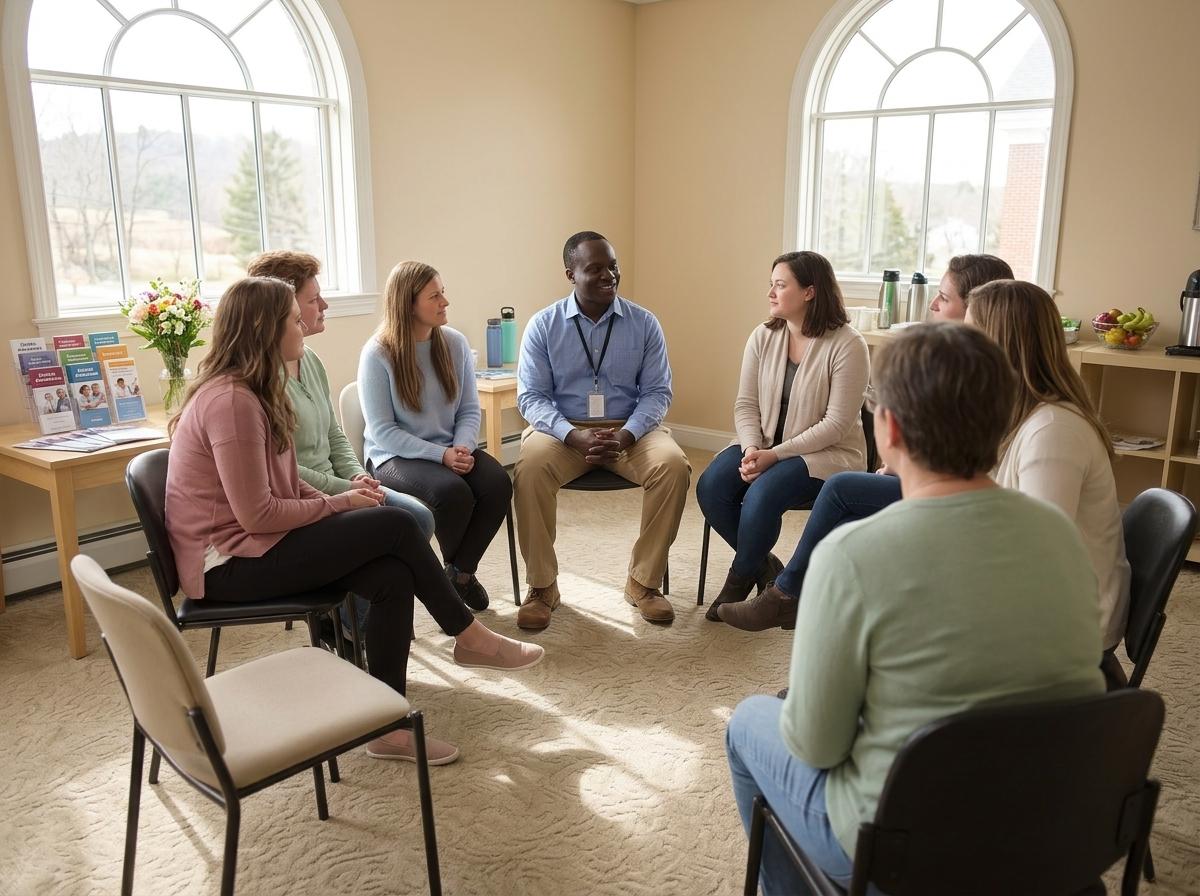
After your session, it’s crucial to keep the momentum going. Here’s how you can empower your audience to take action and support the cause beyond just the conversation.
Volunteer and Donation Opportunities
Encourage your audience to get involved by volunteering with local stroke awareness programs. Volunteering not only supports the cause but also enriches their understanding and connection to the community.
For those looking to contribute financially, suggest donating to organizations like Stroke Awareness Oregon. Every contribution supports stroke education and recovery initiatives, making a tangible impact in the community.
Measuring Impact and Success
To gauge the success of your session, follow up with participants. Send out a quick survey to gather feedback and see what they found most valuable. This not only helps you improve future sessions but also reinforces the information they learned.
Encourage participants to share their own stories of spreading stroke awareness. Every shared message is a step towards a more informed and prepared community. Celebrate these successes and use them to inspire others to get involved.
Connecting with SAO for Further Support
For ongoing support, direct participants to resources offered by Stroke Awareness Oregon. They provide valuable materials, support groups, and educational programs to keep the conversation going.
Encourage your audience to connect with SAO for further learning opportunities or to get involved in upcoming events. Let them know how being part of this community can enhance their efforts in promoting stroke awareness and prevention.
Frequently Asked Questions
What is the B.E. F.A.S.T. method?
The B.E. F.A.S.T. method is a simple way to remember the signs of a stroke: Balance, Eyes, Face, Arms, Speech, and Time. Recognizing these signs quickly can save lives.
How can I effectively engage my audience during a stroke awareness session?
Use interactive elements like quizzes or real-life scenarios to engage your audience. Encourage participation by asking open-ended questions and sharing compelling stories.
What are some ways to continue promoting stroke awareness after a session?
Encourage participants to share the knowledge they’ve learned with others. Consider organizing follow-up events or joining local volunteer efforts to keep the momentum going.
How can I contribute financially to stroke awareness initiatives?
Donating to organizations like Stroke Awareness Oregon helps fund education and recovery programs. Even small contributions make a significant impact in supporting stroke survivors and their families.
Where can I find more resources on stroke prevention and recovery?
Stroke Awareness Oregon offers a range of resources, including support groups and educational materials. Connecting with them can provide further information and opportunities for involvement.