

Stroke can strike without warning, and every second counts. Your family can turn learning the BE FAST stroke signs into a playful, unforgettable photo challenge that sticks with everyone long after the season changes. This simple activity boosts stroke awareness, helping you act fast and call 911 for stroke when it matters most. Ready to make your family part of Oregon’s community health education?
Embrace Stroke Awareness with BE FAST
Recognizing the signs of a stroke quickly can save lives. The BE FAST acronym is a vital tool that anyone can learn. By knowing these signs, you help protect your family and others from the devastating effects of a stroke.
Understanding the BE FAST Signs
BE FAST stands for: Balance, Eyes, Face, Arms, Speech, and Time. Each letter represents a crucial stroke symptom. Balance issues or sudden dizziness might be the first sign. Vision changes, like blurred or double vision, can also occur. Look at the face: is one side drooping? When a person lifts their arms, is one weaker? Speech can become slurred or strange. If these signs appear, call 911 immediately. Time is critical: stroke is an emergency!
Importance of Acting Fast
Every second counts during a stroke. The phrase “Time = Brain” highlights the urgency. Quick recognition and action can greatly reduce the impact of a stroke and improve recovery chances. By learning and teaching these signs, you prepare to act fast. Most people believe they have time, but strokes happen in an instant. By acting quickly, you can truly make a difference.
The Family Photo Challenge

Make learning about stroke signs engaging with a family photo challenge. This fun activity turns education into a memorable experience, ensuring everyone remembers these life-saving steps.
Creating Educational Photos
Get creative with your family photos. Each picture represents a BE FAST sign. For example, capture a silly face to show facial drooping or pose with one arm up to represent arm weakness. These images become visual reminders of what to watch for during a stroke. This activity not only helps solidify memory but also makes learning enjoyable for everyone involved.
Sharing and Spreading Awareness
Once your photos are ready, share them! Post on social media platforms like Instagram or Facebook. Encourage friends and family to participate and tag them in the challenge. Social media is a powerful tool for spreading awareness. The more people see and share, the greater the impact. You’re not just engaging your family but contributing to a broader community effort.
Community Engagement and Support
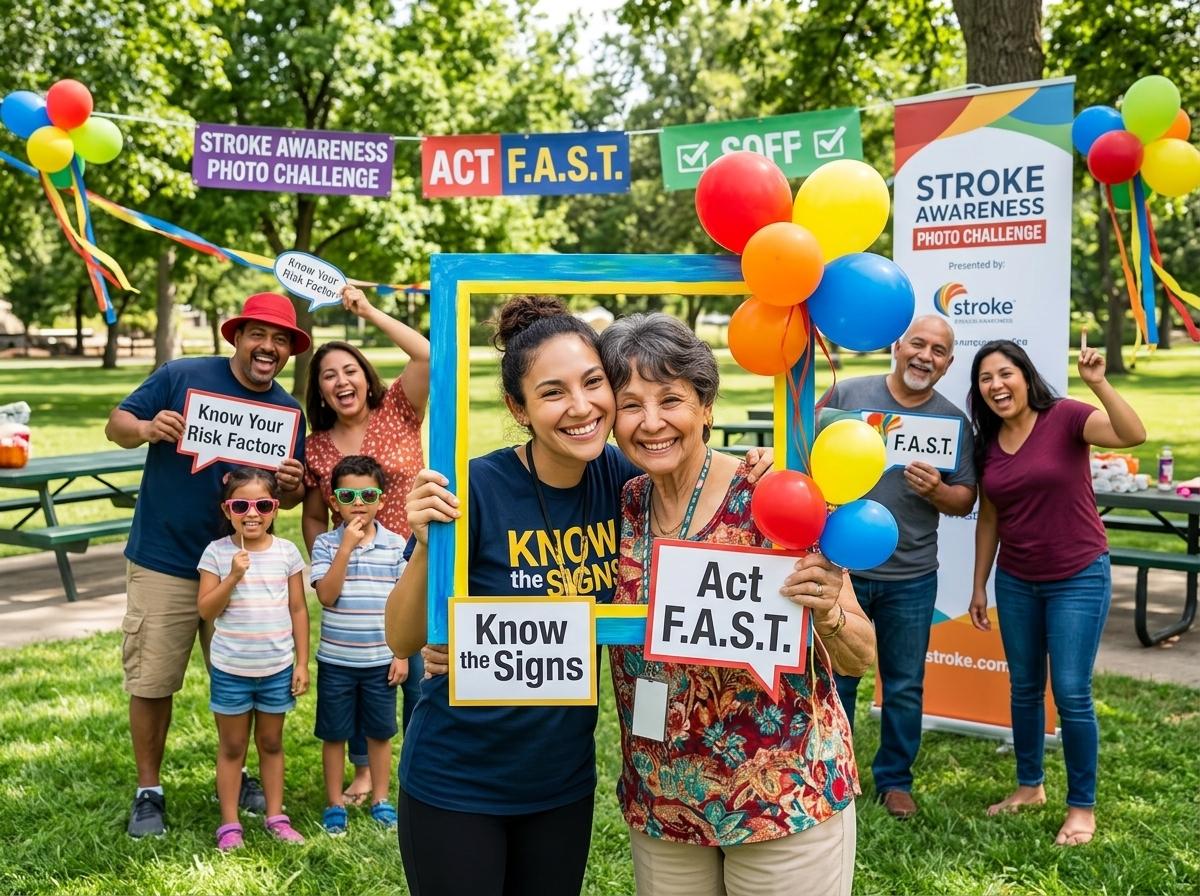
Beyond family activities, there are plenty of ways to get involved. Engaging with community support can enhance your efforts and provide additional resources.
Joining Support Groups and Volunteering
Consider joining a local support group. These groups are invaluable resources for both stroke survivors and their families. Volunteering is another excellent way to contribute. Whether it’s helping organize events or providing support to those in need, your involvement can make a significant impact. By volunteering, you connect with others passionate about stroke awareness and prevention.
Encouraging Donations and Participation
Supporting organizations like Stroke Awareness Oregon can drive change. Donations help fund education and resources that save lives. Encourage others to contribute or participate in local events. Every little bit helps, and together, we can create a community that is informed and prepared to act. The longer you wait to get involved, the more opportunities for impact you might miss.
Frequently Asked Questions
What does BE FAST stand for?
BE FAST is an acronym: Balance, Eyes, Face, Arms, Speech, and Time. It helps remember the signs of a stroke.
Why is acting quickly during a stroke important?
Acting fast is crucial because the sooner treatment begins, the better the chances for recovery. Time lost can mean more brain damage.
How can I get my family involved in stroke awareness?
Organize a family photo challenge. Each photo represents a BE FAST sign, making learning about stroke signs fun and memorable.
What are some ways to support stroke awareness in the community?
Join support groups or volunteer with organizations dedicated to stroke prevention and recovery. Donations also help fund essential programs.
How can I spread awareness beyond my family?
Share your family’s BE FAST photos on social media. Encourage friends and family to join the challenge and tag others to spread the word.