
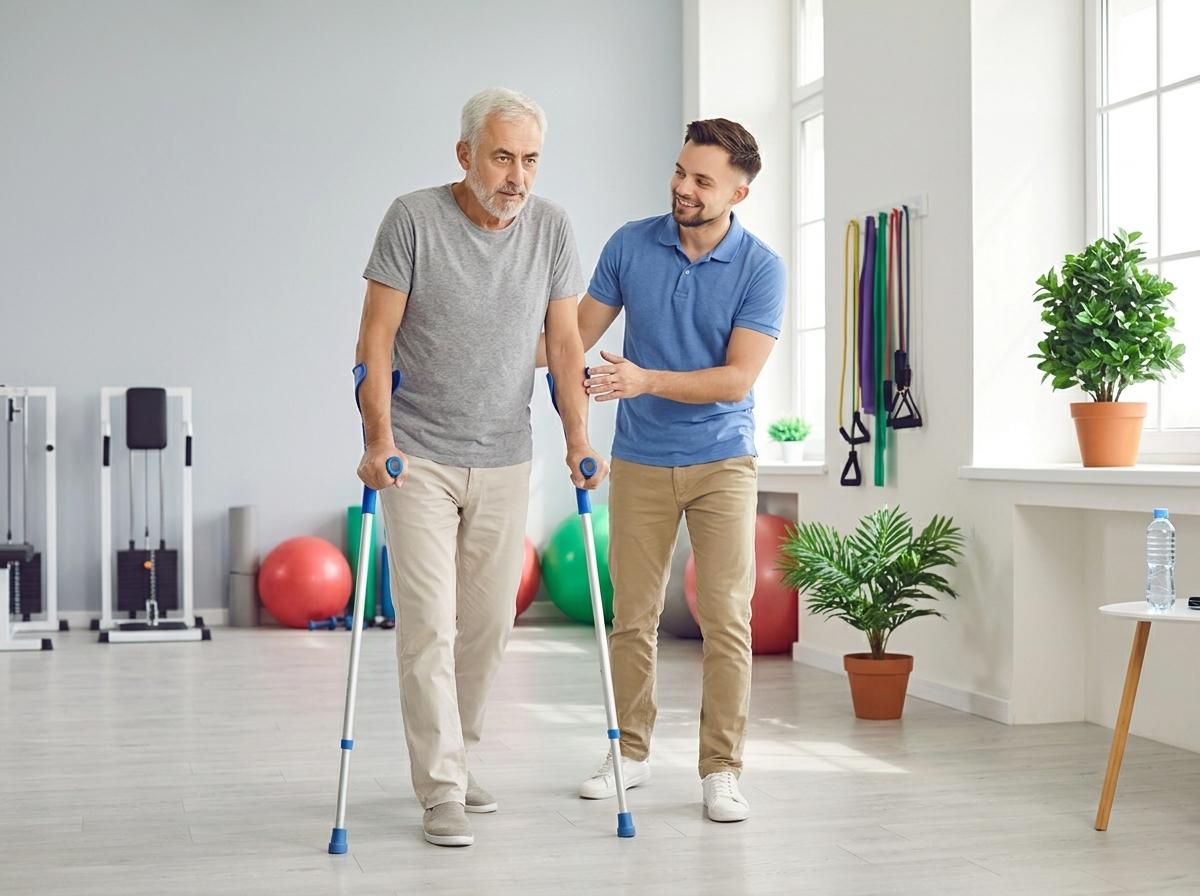
Life after stroke can feel overwhelming, with many questions about what comes next. Your recovery depends on clear steps, guided by trusted resources like the American Heart Association. This practical guide breaks down post-stroke rehabilitation, caregiver support, and ways to prevent a second stroke. You’re not alone—Stroke Awareness Oregon connects you to local programs, support groups, and tools to help you rebuild and stay strong. Learn more about life after stroke here.
Understanding Stroke Recovery
Feeling lost after a stroke is common. Recovery is a journey with different phases and challenges. Here’s a closer look at what to expect.
Phases of Post-Stroke Rehabilitation
Recovery starts right after the stroke. Acute care focuses on stabilizing you. Then, rehabilitation begins, which can include physical, occupational, and speech therapies. Over weeks or months, progress may vary, but patience is key. Each phase aims to restore abilities and foster independence.
Regular sessions with therapists help rebuild skills. Occupational therapy can teach new ways to perform daily tasks, while speech therapy tackles communication challenges. Explore this guide on stroke recovery at home for more insights.
Role of the Rehab Team
Your rehab team is your backbone. They include doctors, nurses, therapists, and social workers. Each plays a part in guiding your recovery. They set achievable goals, track progress, and adapt plans as needed. Meetings and updates keep everyone informed and aligned.
Their expertise is vital, but your involvement is crucial. Ask questions and express concerns. This team is there to support you and your family. Find resources on caregiver support here.
Challenges in Life After Stroke
Life after stroke presents hurdles. Adjusting to new limitations can feel daunting. Emotional challenges, like depression, are common. It’s important to address them with your healthcare team. They might suggest counseling or support groups.
Physical obstacles include mobility issues or fatigue. Adaptations at home can help overcome these. Remember, setbacks can happen, but persistence is key. Discover more about steady support after stroke.
Building a Strong Recovery Plan
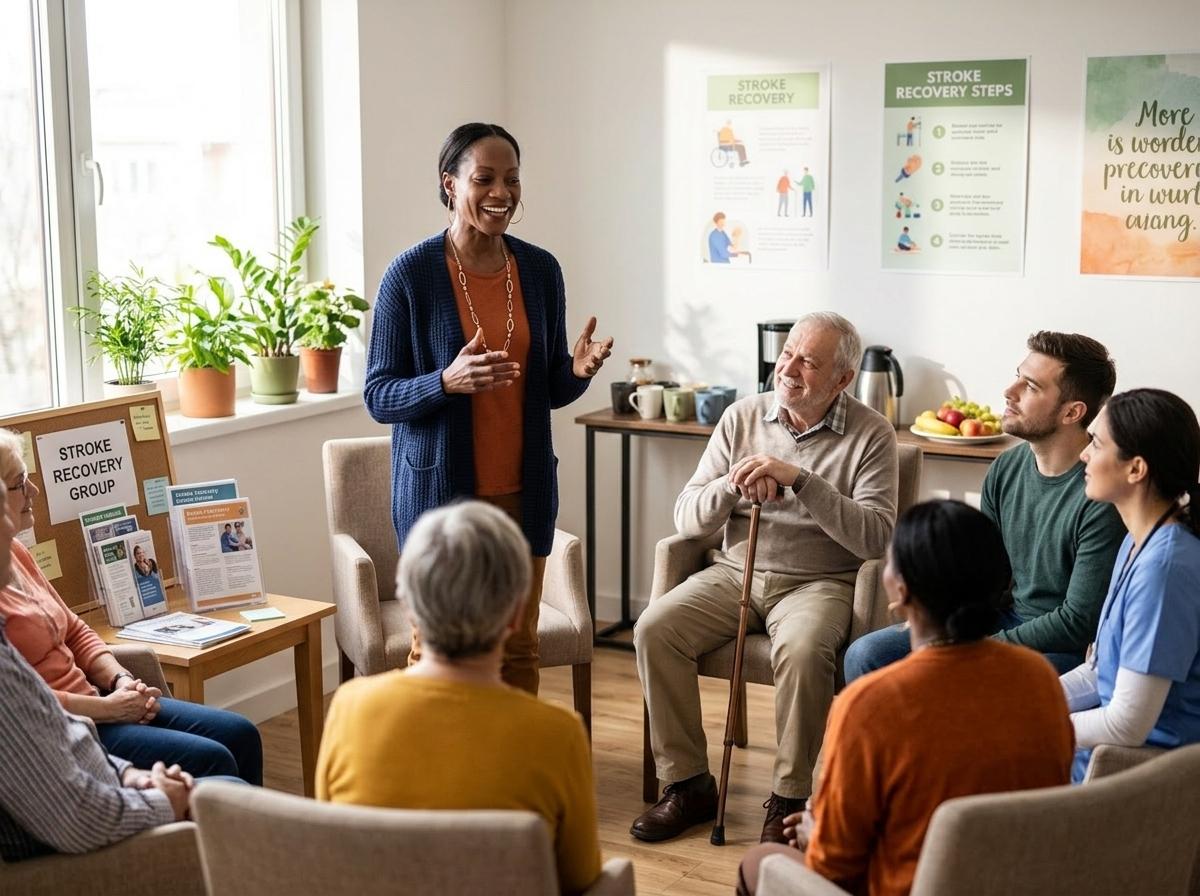
A structured plan is essential for effective recovery. It covers discharge, home safety, and goal setting. Let’s break it down.
Safe Discharge After Stroke
Leaving the hospital is a big step. A safe discharge plan ensures you have the right support and resources. This includes understanding medications, follow-up appointments, and therapy needs. Before leaving, discuss any concerns with your care team.
A clear plan helps prevent readmissions. It also sets the stage for a smoother transition to home. Make sure you and your caregivers feel confident and informed. Learn about life after stroke here.
Home Safety and Fall Prevention
Home safety is crucial after a stroke. Falls are a common risk, so adjustments are necessary. Consider installing grab bars in bathrooms and removing tripping hazards like loose rugs. Proper lighting also aids visibility.
Consulting an occupational therapist can help identify specific risks. They can suggest modifications tailored to your needs. A safer home fosters independence and boosts confidence.
Setting Measurable Recovery Goals
Goals provide direction and motivation. Setting SMART goals (Specific, Measurable, Achievable, Relevant, Time-bound) ensures clarity and focus. For example, a goal might be to walk independently with a cane within three months.
Progress might be slow at times, but celebrating small victories keeps you motivated. Regularly review and adjust goals with your rehab team to reflect your progress.
Community Support and Resources
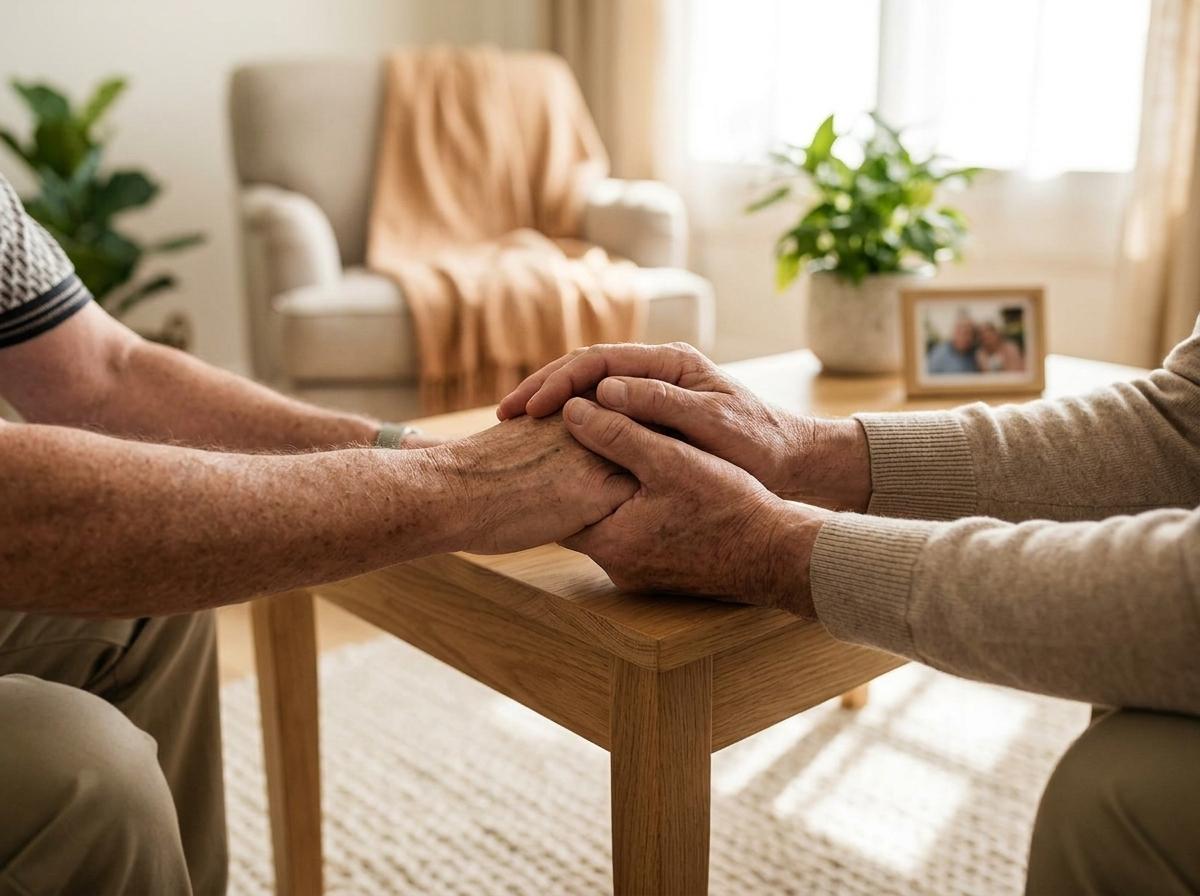
Recovery is not a solo journey. Community support plays a significant role. Here’s how to tap into it.
Stroke Support Groups in Oregon
Support groups offer a space to share experiences and advice. They connect you with others who understand your journey. These groups can be a source of comfort and motivation.
In Oregon, various groups meet regularly. Participating can reduce feelings of isolation and provide practical tips for daily challenges.
Stroke Education and Webinars
Education empowers you and your family. Webinars and workshops cover stroke prevention, recovery strategies, and health tips. These resources provide up-to-date information and answer common questions.
Attending these sessions keeps you informed and engaged in your recovery journey. It also helps prevent a second stroke by reinforcing healthy habits.
Volunteer and Donate for Stroke Awareness
Volunteering or donating supports stroke education and recovery programs. Your involvement helps fund workshops, support groups, and outreach efforts. It’s a way to give back and ensure others receive the help they need.
Consider reaching out to local non-profits like Stroke Awareness Oregon. Your contributions can make a real difference in someone’s recovery journey.
Frequently Asked Questions
What is the first step after a stroke?
The first step after a stroke is stabilizing the patient in the hospital. This involves acute care to address immediate health concerns and prepare for rehabilitation.
How can I support a loved one after a stroke?
Supporting a loved one involves understanding their needs and challenges. Attend therapy sessions when possible, and offer emotional support. Ensure their home is safe and accessible.
What are some common emotional challenges after a stroke?
Post-stroke depression and anxiety are common. Patients may feel frustrated by new limitations. Addressing these feelings with a therapist or support group can be beneficial.
How can community support aid in recovery?
Community support, such as support groups and educational resources, provides emotional and practical help. It connects survivors with peers and keeps families informed.
Why is volunteering important in stroke recovery?
Volunteering supports educational programs and resources that aid stroke recovery. It helps fund initiatives that educate and empower survivors and their families.