
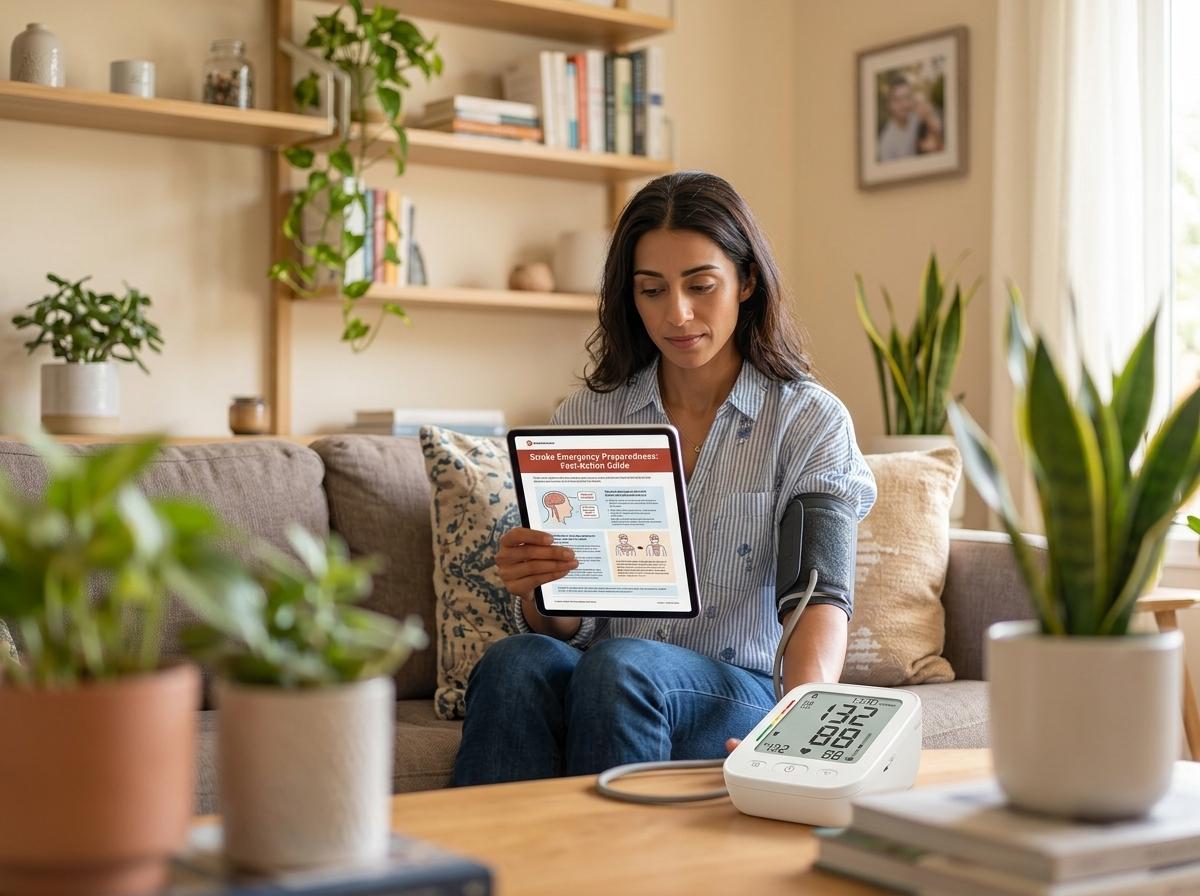
Stroke strikes fast, and every second counts when it does. Your family needs a clear plan to spot stroke signs and act without hesitation. This guide lays out stroke emergency preparedness at home with straightforward steps to help you recognize B.E.F.A.S.T. symptoms, call 911 immediately, and keep essential information ready for quicker, safer care. Get ready to protect your loved ones and support recovery with tools proven by the American Heart Association. Check out more about preparing your home for emergencies here.
Understanding Stroke Emergencies
Knowing what to do during a stroke can save lives. Immediate action is crucial in these situations. Let’s break down how to recognize a stroke and why acting swiftly is vital.
Recognizing Stroke Signs and Symptoms
Acting fast can make a big difference. The acronym B.E.F.A.S.T. helps you spot the warning signs. Look for sudden Balance issues, Eye changes, Face drooping, Arm weakness, Speech troubles, and Time to call 911. If you notice these symptoms, act immediately. Each second counts, and calling for help quickly can improve outcomes.
The Importance of the “Last Known Well” Time
Knowing when the stroke symptoms began is crucial. This “last known well” time helps doctors decide on treatments. Make sure to note the exact time, as it guides medical teams in providing the best care. Remember, this information can be as important as recognizing the symptoms.
Why You Must Call 911 for a Stroke 🚑
Calling 911 is the fastest way to get the right help. Emergency responders are trained for stroke situations. They can start treatment on the way to the hospital. Avoid driving the person to the hospital yourself. Let the professionals handle it, ensuring the best care from the start.
Essential Home Stroke Emergency Kit
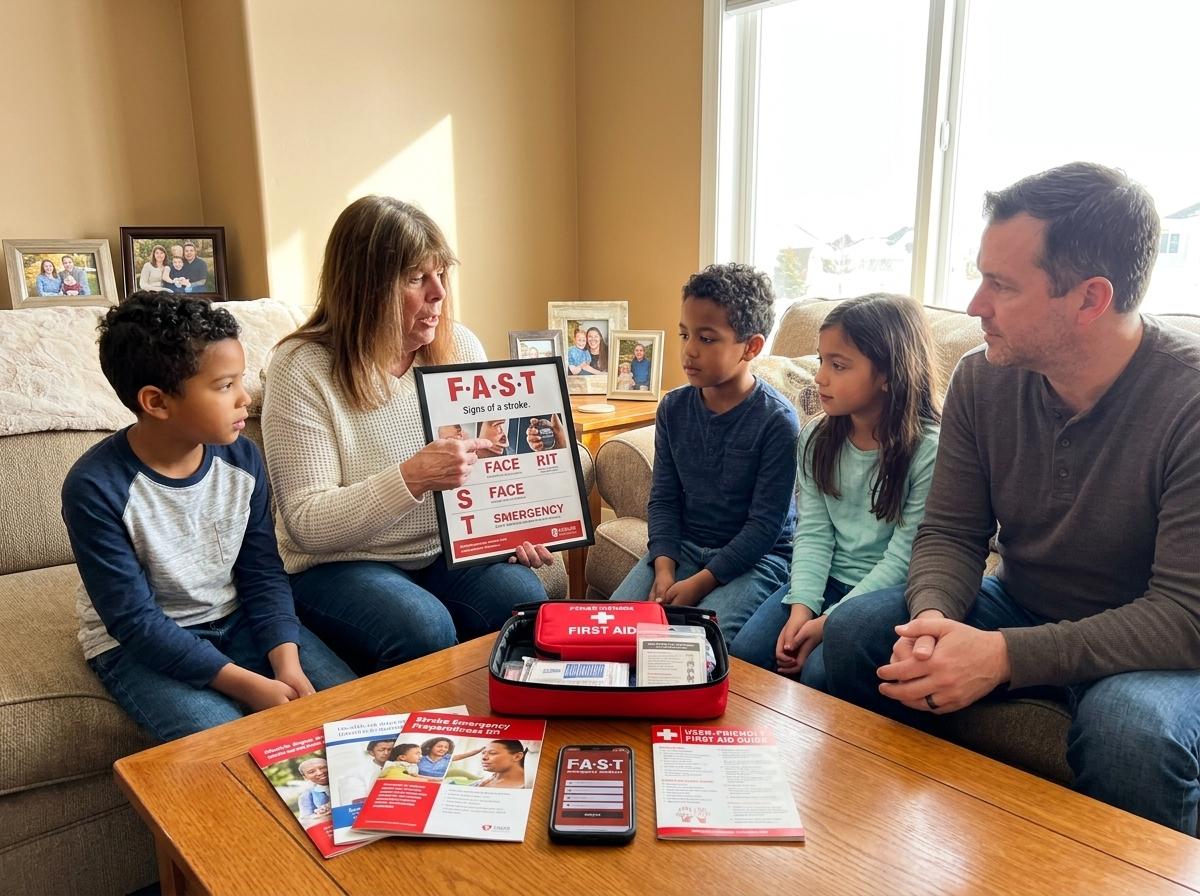
Preparation is key to handling strokes effectively. Let’s focus on assembling a kit that can help you manage these emergencies at home.
Must-Have Items for Your Stroke Go Bag
A stroke go bag is essential for quick action. Include these items:
-
A list of medications and allergies.
-
Important documents like ID and insurance cards.
-
Contact numbers of family and doctors.
Having these ready ensures quick access to necessary information. This can aid medical teams significantly when every moment matters.
Preparing Your Home for Quick EMS Access 🚪
Make sure your home is easy to access for emergency responders. Keep driveways clear and house numbers visible. Ensure your emergency plan is known by everyone in your house. These small steps can save crucial time during emergencies.
Practicing Your Stroke Action Plan
Regular practice of your stroke action plan ensures everyone knows what to do. Run drills with your family so they can react without hesitation. Familiarity with the plan reduces panic and can lead to better outcomes.
Community and Prevention Efforts
Beyond individual preparedness, community efforts play a crucial role in stroke prevention and recovery. Let’s explore how you can contribute.
Stroke Prevention Tips for Every Family
Take control of your health to prevent strokes. Regularly check your blood pressure and maintain a healthy diet. Exercise is also vital. Small lifestyle changes can significantly reduce stroke risk.
Engaging with SAO’s Community Support and Resources 👫
Connecting with Stroke Awareness Oregon (SAO) offers valuable resources. They provide education on stroke prevention and recovery. Engage with their support groups to share experiences and learn from others.
How to Get Involved: Volunteer and Donate for Stroke Awareness ❤️
Your involvement can make a difference. Volunteer with organizations like SAO or donate to support stroke education and recovery programs. Your efforts help create a more informed and prepared community.
Frequently Asked Questions
What is the first thing I should do if I suspect a stroke?
Recognize the signs using B.E.F.A.S.T. and call 911 immediately. Quick action can significantly affect recovery outcomes.
Why is “last known well” time important in a stroke emergency?
It helps medical teams decide the best treatment options. Knowing the exact time symptoms began is crucial for effective care.
What should be included in a stroke emergency kit?
Include a list of medications, allergies, important documents, and emergency contact numbers. These items provide essential information to medical teams.
How can I make my home more accessible for EMS?
Ensure clear pathways for entry, visible house numbers, and that everyone in the household knows the emergency plan. These steps save crucial time in emergencies.
How can community involvement aid in stroke awareness?
Volunteering and donating to stroke organizations enhances education and support efforts. It helps build a knowledgeable and prepared community.