
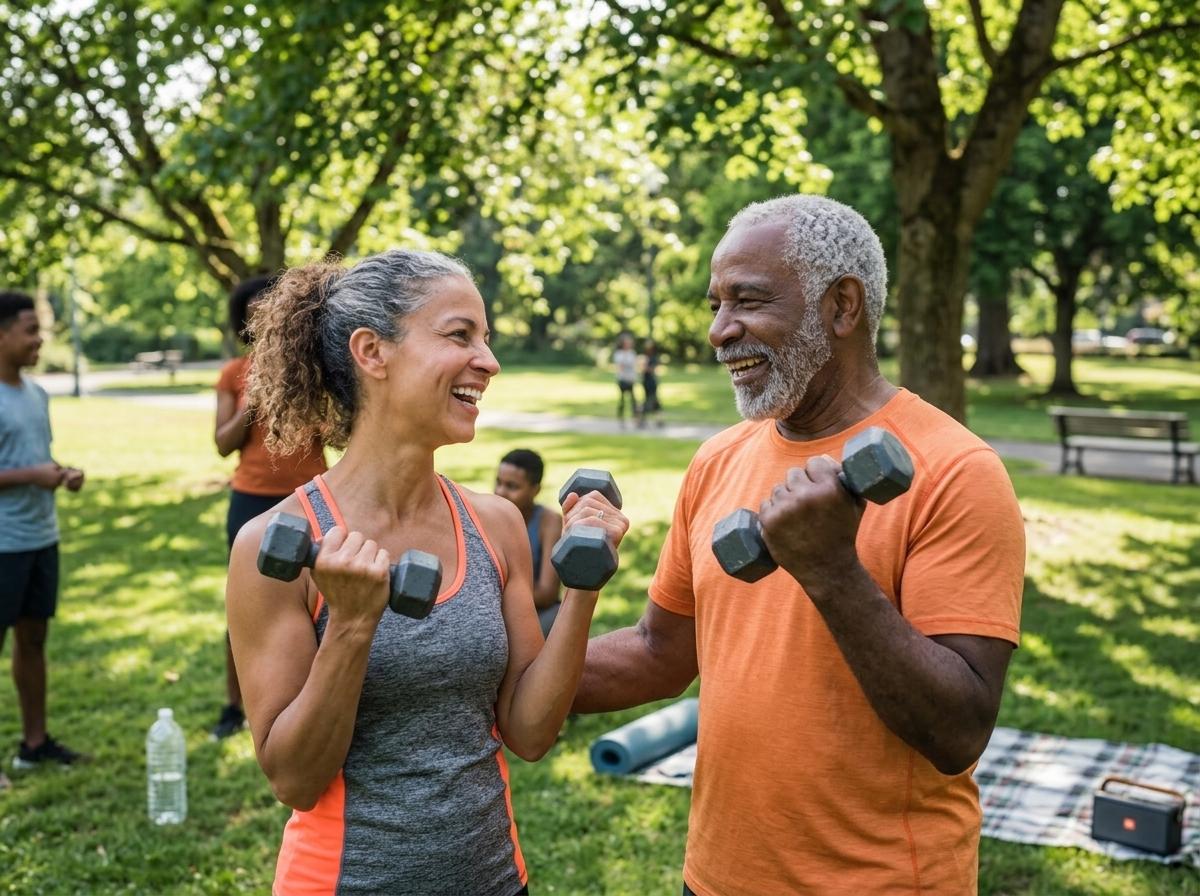
Late summer is prime time for family fun, but it’s also a chance to protect your brain health. These simple brain health games help you spot stroke signs and practice BE FAST together before fall routines start. You’ll find easy, screen-free activities that turn quality time into stroke prevention wins for your family and community. Keep reading to learn how to play, learn, and support stroke awareness across Oregon. https://www.brownhealth.org/be-well/brain-training-and-games-play
Empowering Family Health Activities
Playful Brain Health Games
Playing games isn’t just fun, it’s a chance to boost your brain health. Try games that focus on memory and problem-solving. This doesn’t mean you need complex tools; simple items like cards or puzzles work wonders. Even classic games like Simon Says can improve focus and coordination.
Invite your family to join you in these activities. A game of charades or a memory match game can make everyone laugh while secretly training their brains. Playing together strengthens family bonds and creates lasting memories. These brain games are beneficial for everyone, both young and old, and they’re a simple way to enjoy quality time.
For more ideas, check out these worthwhile brain games. They provide a mix of fun and learning, ensuring your late-summer days are both entertaining and educational.
BE FAST: Recognize Stroke Signs
Recognizing stroke signs quickly can save lives. The key is to remember the acronym BE FAST. It stands for Balance, Eyes, Face, Arms, Speech, and Time. These are the critical areas to observe when spotting a stroke.
Start with balance. If someone suddenly struggles to stay steady, it’s a warning sign. Check their eyes: are they having trouble seeing? Next, look at their face: is it drooping on one side? Ask the person to raise their arms. Are they uneven? Listen to their speech. Is it slurred or strange? Time is crucial. If you see any of these signs, call 9-1-1 immediately.
Understanding these signs helps you act swiftly and can prevent more severe damage. Learn more about these life-saving steps through stroke awareness resources.
Simple Stroke Prevention Tips
Prevention is a powerful tool against strokes. Start with manageable changes. Regular exercise can be as simple as a daily walk around your neighborhood. It keeps your heart and blood vessels healthy. Aim for at least 30 minutes most days of the week.
Watching what you eat helps too. Incorporate more fruits, vegetables, and whole grains into your meals. They’re packed with nutrients that support your brain health. Also, monitor your blood pressure. High blood pressure is a leading risk factor for strokes. Regular check-ups with your doctor can keep it in check.
Finally, make time for relaxation. Stress management techniques like yoga or meditation can reduce your stroke risk. Visit these summer activities for more tips to maintain a healthy lifestyle.
Community Connections and Resources
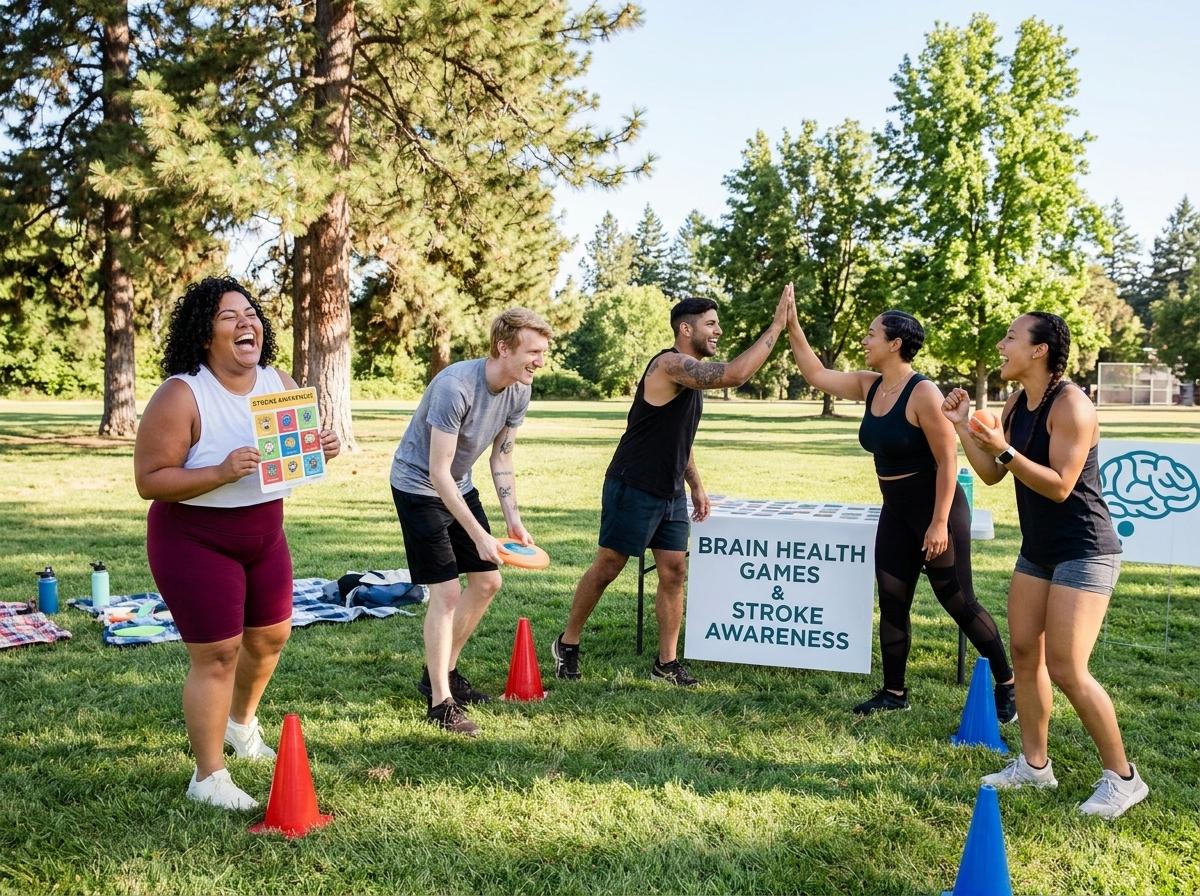
Stroke Education Programs in Oregon
Oregon offers excellent programs to boost your stroke knowledge. These educational initiatives teach you how to prevent strokes and what to do in emergencies. Organizations like Stroke Awareness Oregon lead these efforts, helping communities stay informed and prepared.
Participating in these programs not only educates you but allows you to share this vital information with others. Many people are unaware that 80% of strokes are preventable. By joining these programs, you contribute to a safer community.
Explore local events or workshops through community centers or online platforms. Staying informed is your first step towards effective stroke prevention and recovery support.
Join Support Groups and Workshops
Support groups provide a network for those affected by strokes. Joining a group means you’re never alone in your journey. Share your experiences, learn from others, and find comfort in knowing you have support.
Workshops offer practical advice on managing life post-stroke. They cover topics like mobility exercises, dietary changes, and emotional health. These sessions can be incredibly empowering, giving you the tools to manage your health proactively.
Check for local groups or online communities. These resources offer not just support but friendship and understanding. Together, they build a supportive environment for you and your family.
Volunteer and Donate Opportunities
Volunteering or donating can make a significant difference in stroke education and recovery services. Your support enhances program reach, making vital resources accessible to more people in need.
Consider giving your time to local stroke awareness events. Volunteers play a crucial role in running these programs, from educational sessions to fundraising events. Donations, no matter how small, contribute to life-saving education and support services for stroke survivors.
Explore volunteer opportunities in your area through local nonprofit organizations or community centers. Your involvement helps create a stronger network of support and education, driving positive change in your community.
Building a Healthier Future Together
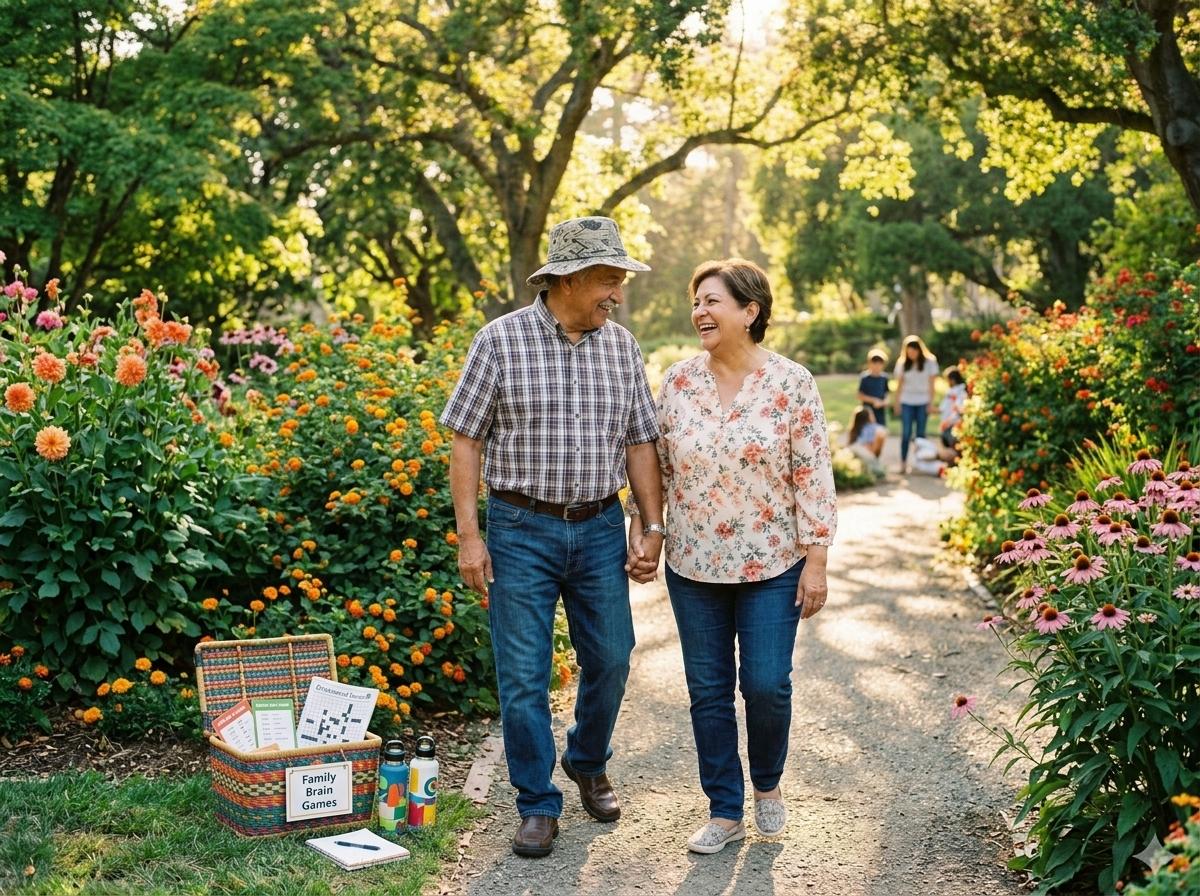
Summer Family Activities for Wellness
Summer is perfect for wellness activities that engage the whole family. Simple actions like a family walk or a game of catch in the park can improve everyone’s health. These outings are not just fun but form a habit of staying active.
Encourage everyone to participate. Children love activities that include an element of play. An impromptu dance party or a backyard obstacle course can be just as beneficial as structured exercise. Regular movement fights sedentary lifestyles and improves overall health.
By making wellness a family affair, you foster a culture of health and happiness that benefits everyone. For more ideas, watch summer games that boost brain health.
Promoting Health Literacy in Communities
Health literacy empowers communities to make informed decisions. It’s about understanding the basics of healthy living and recognizing medical signs early. By promoting health literacy, you contribute to a knowledgeable community ready to act in emergencies.
Organize or attend community health fairs, where experts share tips on living a healthier life. These events often include screenings and wellness workshops, offering a hands-on approach to health education.
Sharing what you learn with others increases awareness. Encourage your community to engage in these educational opportunities, helping everyone make informed health decisions.
Encouraging Community Involvement
Being involved in your community strengthens bonds and enhances wellbeing. Encourage others to join local health initiatives and educational programs. Together, you can build a supportive environment that prioritizes health.
Participate in local events, volunteer your time, or even start your own health initiative. Every action counts, and your efforts contribute to a culture of health and safety. Community involvement is not only rewarding but essential for fostering a supportive network.
When communities unite, they create a ripple effect of positive change. Your participation helps ensure everyone has the resources and support they need for a healthier future.
Frequently Asked Questions
What are the early signs of a stroke?
The early signs include sudden trouble with balance, vision, face drooping, arm weakness, speech difficulty, and the need to act fast. Recognizing these signs promptly can save lives.
How can I help prevent strokes in my community?
Promote healthy lifestyles through regular exercise, balanced diets, and stress reduction. Share knowledge about stroke signs and encourage participation in local educational programs.
Where can I find stroke support groups in Oregon?
Support groups are available through local hospitals and nonprofit organizations like Stroke Awareness Oregon. They offer resources and community connections for both survivors and caregivers.
How does volunteering with stroke organizations make a difference?
Volunteers help run educational and support programs, increasing their reach and impact. Your time and skills can provide essential support to stroke survivors and their families.
Why is it important to know about BE FAST?
BE FAST is an acronym that helps you recognize stroke signs quickly. Acting fast can significantly reduce the severity of a stroke and improve recovery outcomes.