June Reset for Stroke Awareness: Signs, Steps, and Support

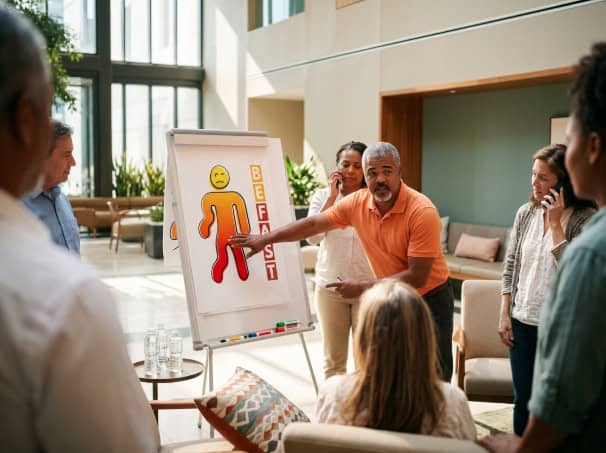
June is a crucial time to refresh our commitment to stroke awareness by recognizing stroke signs quickly and knowing the right steps to take. This newsletter highlights the importance of B.E.F.A.S.T. in identifying stroke symptoms, explains what to do in the first moments after a stroke or transient ischemic attack, and shares valuable stroke support groups in Oregon along with caregiver resources. Together, we can improve brain health, support recovery, and empower our community to act fast and save lives.

Know the Signs: B.E.F.A.S.T. at a Glance

Recognizing the signs of a stroke quickly can save lives. The acronym B.E.F.A.S.T. stands for Balance, Eyes, Face, Arms, Speech, and Time. These are the critical signs to watch for. By familiarizing yourself with these symptoms, you can react promptly and efficiently in an emergency. Every second counts, so make sure you and your loved ones are prepared.

Remember, understanding these signs is just the first step; knowing what to do next is equally crucial.

Take the Right Steps: The First 10 Minutes

When a stroke occurs, the first ten minutes are vital. Immediately call 9-1-1 if you notice any signs. Stay calm and provide clear information to emergency responders. Prompt action can significantly alter outcomes, reducing potential damage and improving recovery chances. By acting quickly, you can make a significant impact on someone’s life.

Explore the support resources available to further learn how you can assist in these critical moments.

Your Support Network: SAO Programs Near You

Stroke Awareness Oregon offers a variety of programs to support recovery and education. From peer support groups to caregiver resources, there are numerous ways to get involved and make a difference. Connecting with others who share similar experiences can be incredibly beneficial to recovery and emotional well-being.

Consider participating in these programs to strengthen community ties and support stroke warriors.

Get Involved: Volunteer, Donate, Share

Your involvement can help save lives. Whether through volunteering, donating, or spreading awareness, every action contributes to the collective effort against stroke. Join us in making a tangible impact by reaching out and sharing your support.

P.S. Remember, your actions today can change someone’s tomorrow. Let’s build a stroke-smart community together!

Become a STROKE CHAMPION for only $18 per month!

Story Preview | A DRIVING FORCE – Alesha Goodman

by Jake Sheaffer

“I once threw a canister of my supplement powder at the wall and dented it. That’s something I can’t imagine ever doing before my stroke, but it’s just another part
of my recovery to work on.”

______________________________

On an early October weekend in 2019, Alesha Goodman and her longtime boyfriend Drew hiked over 50 miles of rugged desert landscape in the Ochoco National Forest in Central Oregon. They were on a nine-day hunting trip they’d been planning for months. While Drew streaked up the steep slopes of sagebrush and loose rock, Alesha tarried behind breathing heavily, fighting the searing pain radiating from the base of her skull. An active thirty-four-year-old who frequented local gyms, walked her dog daily, and hiked on weekends, Alesha never suspected the severe neck pain and nausea she’d had for the past week and a half were signs of an impending stroke. And not just one stroke, but two. Two potentially fatal strokes that would occur within an hour of each other the day after she returned from the Ochocos.

An only child, Alesha was close to her parents and her grandmother who lived on her parents’ property later in life. As a kid, she delivered newspapers in her Bend, OR neighborhood, and in her spare time, she wrote children’s books for fun and read voraciously, prompting close friends to refer to her as a “living encyclopedia of odd information.”

On the Monday morning after she got home, Alesha sat in traffic at a parkway off -ramp, still in discomfort from the neck pain and the nausea. She had new symptoms, too, dizziness and feeling faint. Regardless of the pain, she readied herself for work, but she had an uneasy feeling about her job.

Over the weekend, Alesha had received multiple text messages from her employer, a jewelry company in Central Oregon, about an issue with her company email and password, but with no cell reception, she couldn’t respond to her manager’s concerns. After searching through Alesha’s desk for her email password and not finding it, but instead finding an important legal document she’d already dealt with but had not yet disclosed to her boss, the company hired a specialist to get around the digital safeguards. That day, Alesha was let go from her position.

Purchase the Book to Learn More About Alesha’s Journey!