Stroke Prevention

Recognize Stroke Signs, Act Fast, Save Lives

What is A Stroke? A Stroke is a Brain Attack!

In years past, people talked about ischemic strokes versus hemorrhagic strokes but the medical
field considers brain hemorrhage to be a separate problem.
So when we talk about stroke, we are talking about ischemic stroke. We are talking about stroke due to ischemia”,
which is basically disruption of vital blood flow to brain tissue.

Learn More About Stroke

The first thing to know about stroke is that you need is to act F.A.S.T. once you recognize the symptoms

FACE – Is the person’s face crooked or asymmetric? Ask them to smile or to frown. Look for flattening of the nasolabial fold. The forehead is usually not affected.

ARMS – Is one arm weaker? Ask them to raise both arms quickly. The weak arm will react slower. The person may be unable to keep the arm elevated at shoulder level or even raise it at all. The person’s hand may be affected so they may have a weak grip or show slower finger motion.

SPEECH – Can you understand what they are saying? Ask them to close their eyes or make a fist. They may not be able to say names of common objects or even names of their family or their speech is simply slurred. They may understand you but they may not reply in a comprehensible manner. Ask the person to repeat an easy phrase such as “I live in Oregon” or “It is a sunny day.” They should be able to say every word perfectly. No slurring. No dropped words.

TIME – Call 911 immediately. This will activate the EMS as well as the receiving emergency department’s stroke team. Driving the person yourself to the hospital or calling the doctor or nurse will waste valuable time.

Once you recognize the symptoms, CALL 9-1-1 immediately.

  • The sooner a stroke patient can be transported to the hospital, the faster the medical team can determine whether it is a stroke.
    If it is, in fact, a stroke, the doctors may either unblock the blood vessel or remove the clot causing the stroke.

    Additionally, do not give aspirin. It may worsen a brain hemorrhage.
    Be able to tell the paramedics when the person was last seen normal. This means when the victim was awake, talking, and functioning normally. This does not mean when they were discovered. This is critical information for the patient to qualify for treatments.

    Be able to tell the paramedics if the patient is taking any blood thinners such as:

    • Warfarin (Coumadin)
    • Apixaban (Eliquis)
    • Rivaroxaban (Xarelto)
    • Dabigatran (Pradaxa)

    If possible, collect the person’s medication bottles or provide a medication list for the EMS responders.

Upwards of 800,00 People Have Strokes Each Year in the USA

Everyone has a 1:4 risk of having a stroke in their lifetime, but up to 80% of strokes could be preventable if everyone is careful and has knowledge of stroke risk factors. For people who have already had a stroke, the risk of having a second stroke is much higher. Up to 28% of people could have a second stroke within 2 years, so it is particularly important for stroke victims to be carefully monitored for further vascular risk factors.

Types of Strokes

Atherosclerosis
Cardioembolic Strokes
Lacunar Strokes

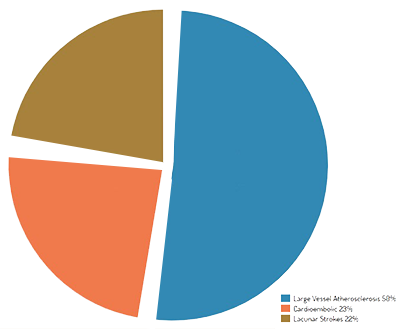
When we refer to stroke, we will be describing so-called “ischemic” strokes, injuries to the brain due to loss of blood circulation. But there are three basic types of strokes and each of these have different causes.

Atherosclerosis

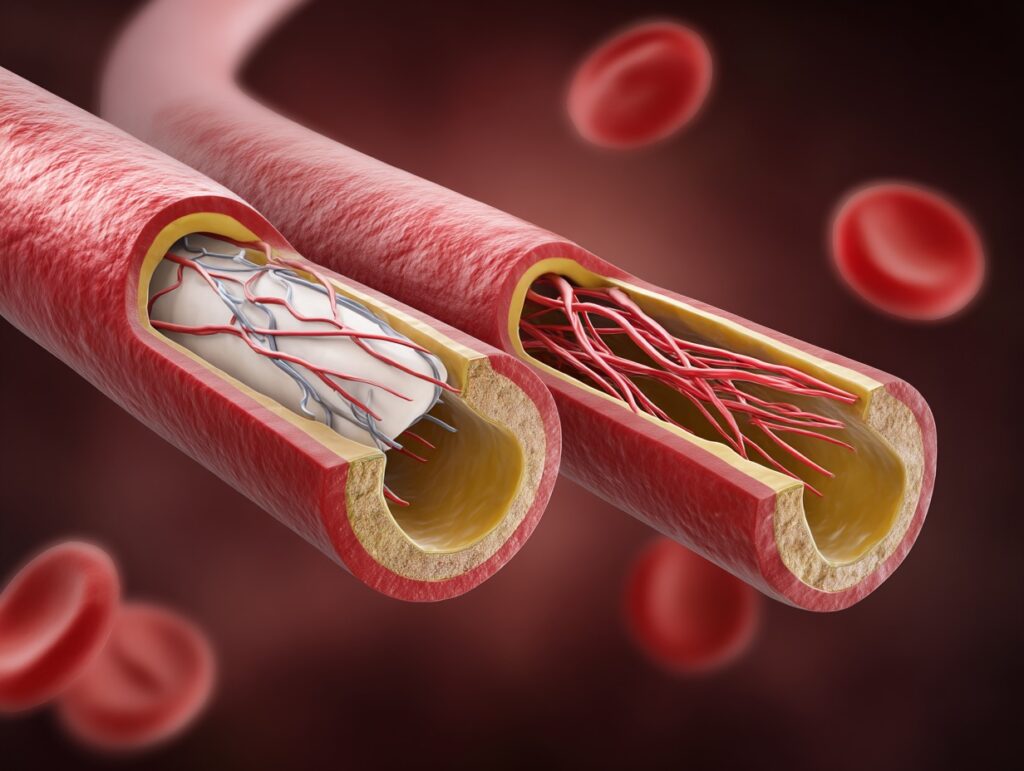
Nearly half of strokes are caused by atherosclerosis which is deterioration of artery wall lining due to accumulation of cholesterol. Atherosclerosis can gradually plug the artery with buildup of cholesterol in the inner lining of the artery resulting in loss of blood flow and stroke. But the cholesterol buildup can eventually damage the artery lining so badly that an open wound or ulcer may form. These ulcers can lead to formation of a clot or thrombus, basically like a scab on the wound. The thrombus will often detach and float away with blood flow into critical brain arteries which then become blocked. This will stop oxygen delivery to the brain and cause brain tissue death, what we call stroke.

Cardioembolic Strokes

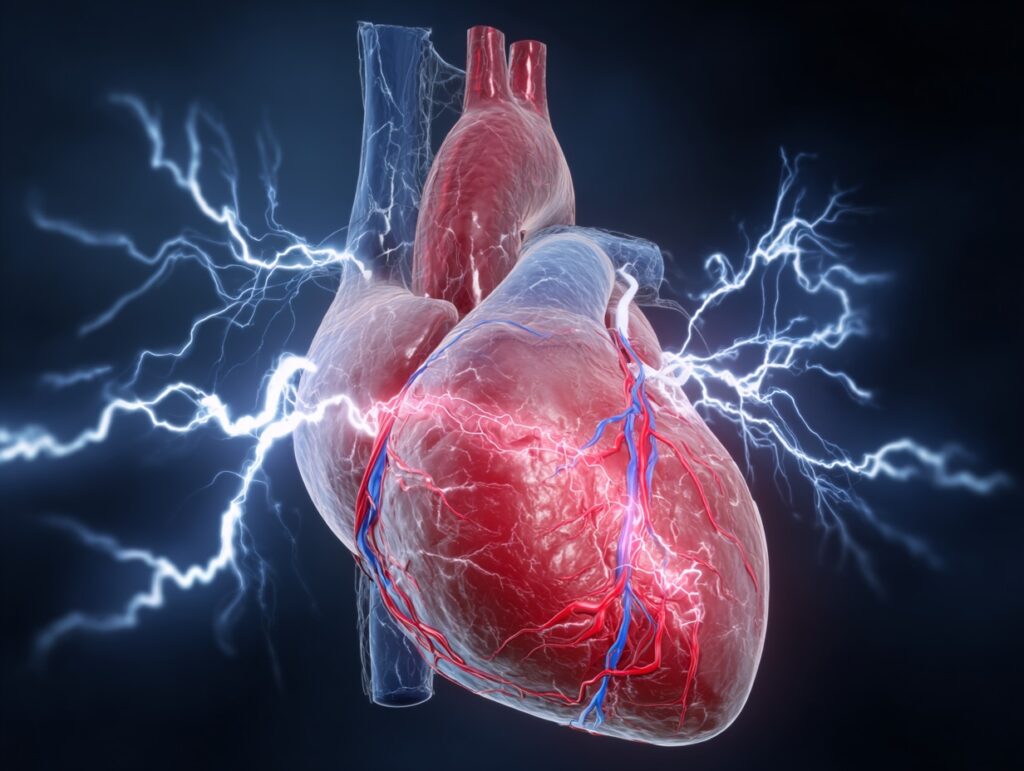
About 23% of strokes are due to clots forming in the heart which then detach and travel to critical brain arteries. These strokes called cardioembolic strokes and most commonly caused by an abnormal heart rhythm called atrial fibrillation. There are probably more than 700,000 people in the USA who are walking around with undiagnosed atrial fibrillation. Most of them have no symptoms but each of them has a 2-5% chance of having a major stroke each year.


Lacunar Strokes

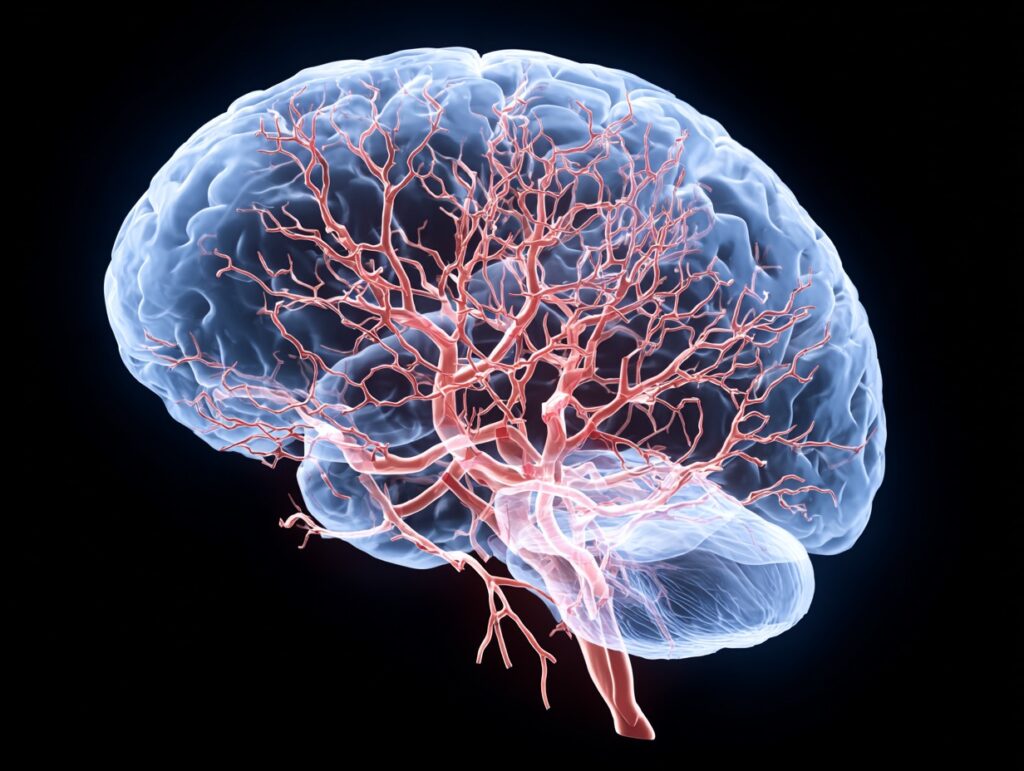
Another 22% of strokes are due to blockage of tiny arteries deep within the brain. We call these lacunar strokes. Lacunar strokes are due to deterioration of small arteries over the years caused by high blood pressure, diabetes and effects of age. Because lacunar strokes are so small, they may not cause any symptoms but they also can cause severe paralysis if the stroke occurs in a critical brain location. People may have multiple lacunar strokes over their lifetime which will lead to development of a form of dementia. So, disease of small brain arteries, called arteriolosclerosis, is the number 2 cause of dementia, so-called vascular dementia.


Transient Ischemic Attacks (TIA)

There are many different patterns of TIAs just like there are many patterns of stroke.

Usually, TIAs do not lead to permanent damage to brain tissue, whereas the term ‘stroke’ indicates that there has been permanent damage.
So, it is not really accurate to refer to TIAs as “mini strokes”. But, TIAs are frequently caused by the same diseases that cause strokes and are
important warning signs that a person may be at high risk for stroke.

Symptoms of TIA

  • Transient Paralysis of a Limb or Side of the Body
  • Impaired Balance
  • Loss of Sensation
  • Disturbance of Vision
  • Impaired Speech

After a TIA

17% of patients will have a stroke within the next 90 daysAll people with strokes or TIAs need urgent medical evaluation to identify the cause of the stroke and to prevent another stroke from occurring. Once doctors identify the possible mechanism of a TIA or stroke, treatment can usually be prescribed to reduce the risk of further strokes.

Many people can prevent a first and second stroke by following some basic steps toward a healthier lifestyle.

HIGH BLOOD PRESSURE

High blood pressure greatly increases the risk of stroke and heart attack but is treatable. Your blood pressure should be below 130/80.

  • 50% relative risk reduction in the incidence of heart failure
  • 30-40% relative risk reduction of stroke
  • 20-25% relative risk reduction for myocardial infarction

Remember that vascular dementia is the second highest cause of dementia

  • High blood pressure is the main risk factor for vascular dementia

CHOLESTEROL

The bad effect of cholesterol in arteries begins during our teens but is affected by lifestyle choices.

  • Even slightly elevated blood pressure
  • Even mildly elevated cholesterol levels
  • Tobacco use
  • Elevated, prediabetic glucose levels

Any of these will lead to more rapid cholesterol related damage to your arteries.

VALUE OF STATINS

Doctors often recommend treatment with a statin. These drugs lower cholesterol damage by two ways.

  • Lowered production of new cholesterol by our liver is the main source of cholesterol rather than a diet
  • Actual regression of the cholesterol related atherosclerotic plaques and reduction of the plaque inflammation which leads to clots
  • For patients with previous stroke, treatment with statins can reduce the risk of second stroke by 24%
  • For patients with previous heart attack or coronary artery disease, treatment with a statin can lead to a 42% reduction in the chance of fatal heart attacks

ATRIAL FIBRILLATION

If you are 65 years or older, you should know about each type of fibrillation, which causes up to one third of all strokes.

There are 700,000 people in the US who are walking around with undiagnosed atrial fibrillation. Most of them have no symptoms. Each of them has a 2-5% chance of having a major stroke each year unless they are treated with special anticoagulant medications.

  • If you’ve ever had atrial fibrillation and are not taking anticoagulant medication, you should know your CHa2DS2-VASc score. By using simple web tools, it only takes a minute to determine your stroke risk. Discuss this with your doctor.
  • Be aware that there are now ways to self-monitor for a fibrillation with inexpensive devices such as Kardia or wearable devices like an Apple Watch.

A physician consultant working with SAO says, “The KardiaMobile app, Apple Watch and most other SmartWatches are FDA approved for the detection of atrial fibrillation. There is a certain level of accuracy however so they’re not perfect but they’re not bad either. I recommend them all the time to those at higher risk.”

CHa2DS2-VASc Score Calculator

Unadjusted stroke rate

0 points: 0.2% per year          1 point: 0.6% per year         2 points: 2.2% per year
3 points: 3.2% per year         4 points: 4.8% per year         5 points: 7.2% per year         6 points: 9.7% per year
7 points: 11.1% per year         8 points: 11% per year         9 points: 12.2% per year

Notes

-These Are Unadjusted Rates For Stroke And Intracranial Bleeding Which Were Not Adjusted For Possible Use Of Aspirin.[1] Actual Rates Of Stroke In Contemporary Cohorts Might Vary From These Estimates.[2]

– CHA2DS2-VASc: Congestive Heart Failure, Hypertension, Age ≥75 Years (Doubled), Diabetes Mellitus, Prior Stroke Or TIA Or Thromboembolism (Doubled), Vascular Disease, Age 65 To 74 Years, Sex Category; TIA: Transient Ischemic Attack; MI: Myocardial Infarction; PAD: Peripheral Artery Disease.

Doctors often recommend treatment with a statin.

These drugs can lower cholesterol damage

  • Lowered production of new cholesterol by our liver is the main source of cholesterol rather than a diet
  • Actual regression of the cholesterol related atherosclerotic plaques and reduction of the plaque inflammation which leads to clots
  • For patients with previous stroke, treatment with statins can reduce the risk of second stroke by 24%
  • For patients with previous heart attack or coronary artery disease, treatment statin can lead to a 42% reduction of fatal heart attacks

Your Donation Can Save a Life & Enhance
the Recovery of a Stroke Warrior!

SAO Contact

Thank you for your interest in Stroke Awareness Oregon! We look forward to connecting with you further. You can reach the SAO team by phone, email, or in-person at the SAO office in Bend, Oregon. If you or a loved one are displaying signs of stroke please Call 9-1-1 immediately. Time = Brain!


    Become a STROKE CHAMPION for only $18 per month!

    Story Preview | A DRIVING FORCE – Alesha Goodman

    by Jake Sheaffer

    “I once threw a canister of my supplement powder at the wall and dented it. That’s something I can’t imagine ever doing before my stroke, but it’s just another part
of my recovery to work on.”

    ______________________________

    On an early October weekend in 2019, Alesha Goodman and her longtime boyfriend Drew hiked over 50 miles of rugged desert landscape in the Ochoco National Forest in Central Oregon. They were on a nine-day hunting trip they’d been planning for months. While Drew streaked up the steep slopes of sagebrush and loose rock, Alesha tarried behind breathing heavily, fighting the searing pain radiating from the base of her skull. An active thirty-four-year-old who frequented local gyms, walked her dog daily, and hiked on weekends, Alesha never suspected the severe neck pain and nausea she’d had for the past week and a half were signs of an impending stroke. And not just one stroke, but two. Two potentially fatal strokes that would occur within an hour of each other the day after she returned from the Ochocos.

    An only child, Alesha was close to her parents and her grandmother who lived on her parents’ property later in life. As a kid, she delivered newspapers in her Bend, OR neighborhood, and in her spare time, she wrote children’s books for fun and read voraciously, prompting close friends to refer to her as a “living encyclopedia of odd information.”

    On the Monday morning after she got home, Alesha sat in traffic at a parkway off -ramp, still in discomfort from the neck pain and the nausea. She had new symptoms, too, dizziness and feeling faint. Regardless of the pain, she readied herself for work, but she had an uneasy feeling about her job.

    Over the weekend, Alesha had received multiple text messages from her employer, a jewelry company in Central Oregon, about an issue with her company email and password, but with no cell reception, she couldn’t respond to her manager’s concerns. After searching through Alesha’s desk for her email password and not finding it, but instead finding an important legal document she’d already dealt with but had not yet disclosed to her boss, the company hired a specialist to get around the digital safeguards. That day, Alesha was let go from her position.

    Purchase the Book to Learn More About Alesha’s Journey!